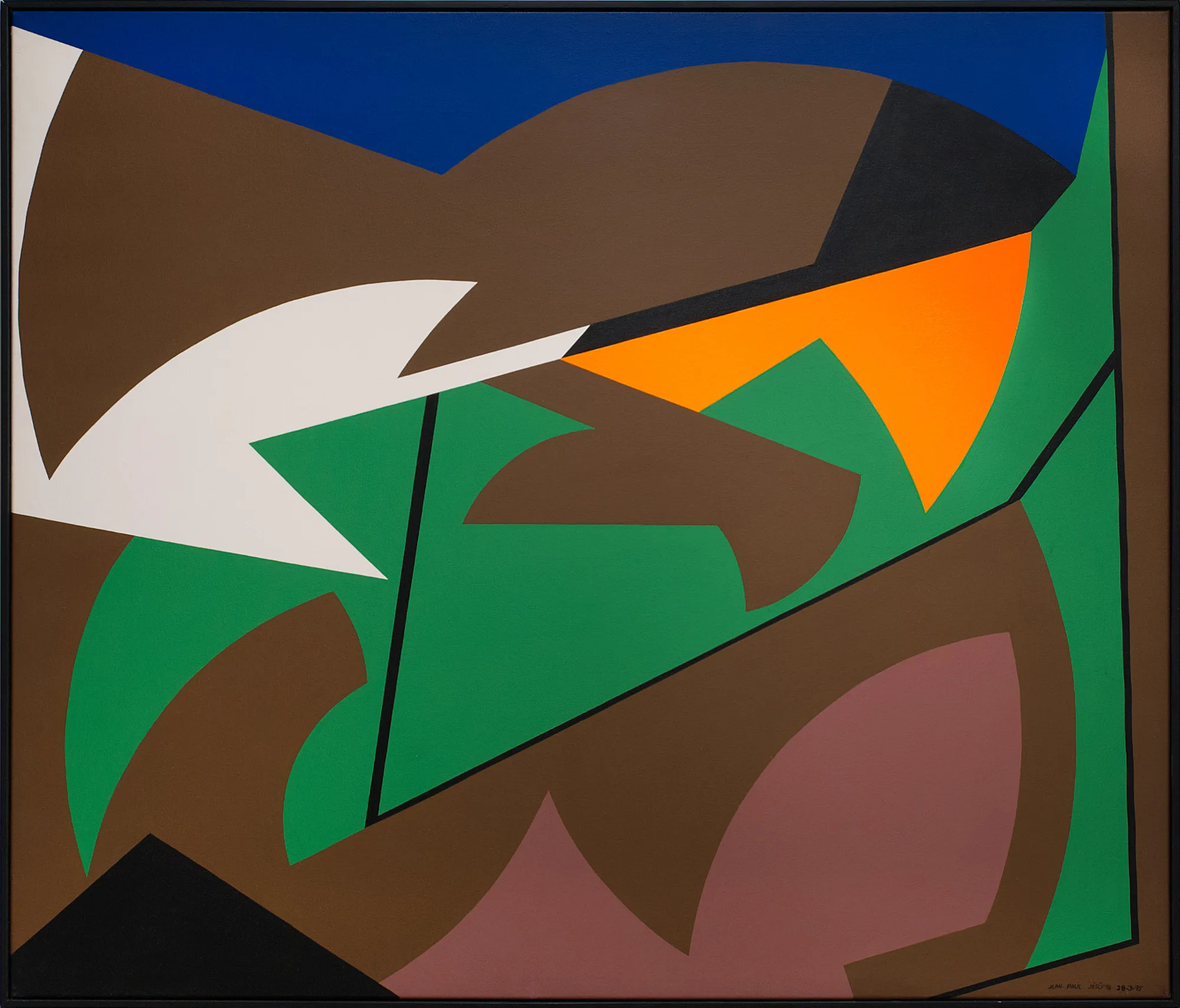
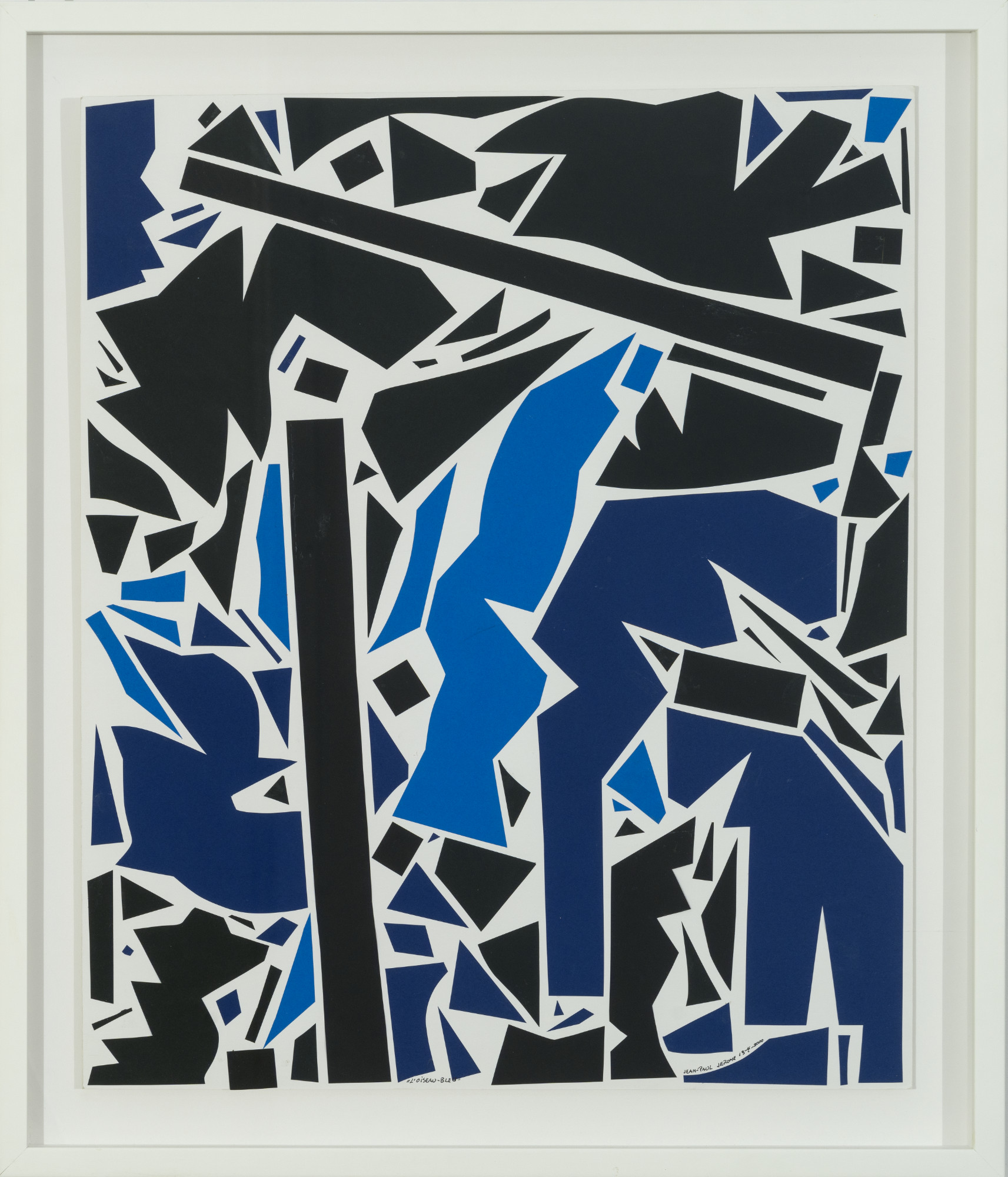
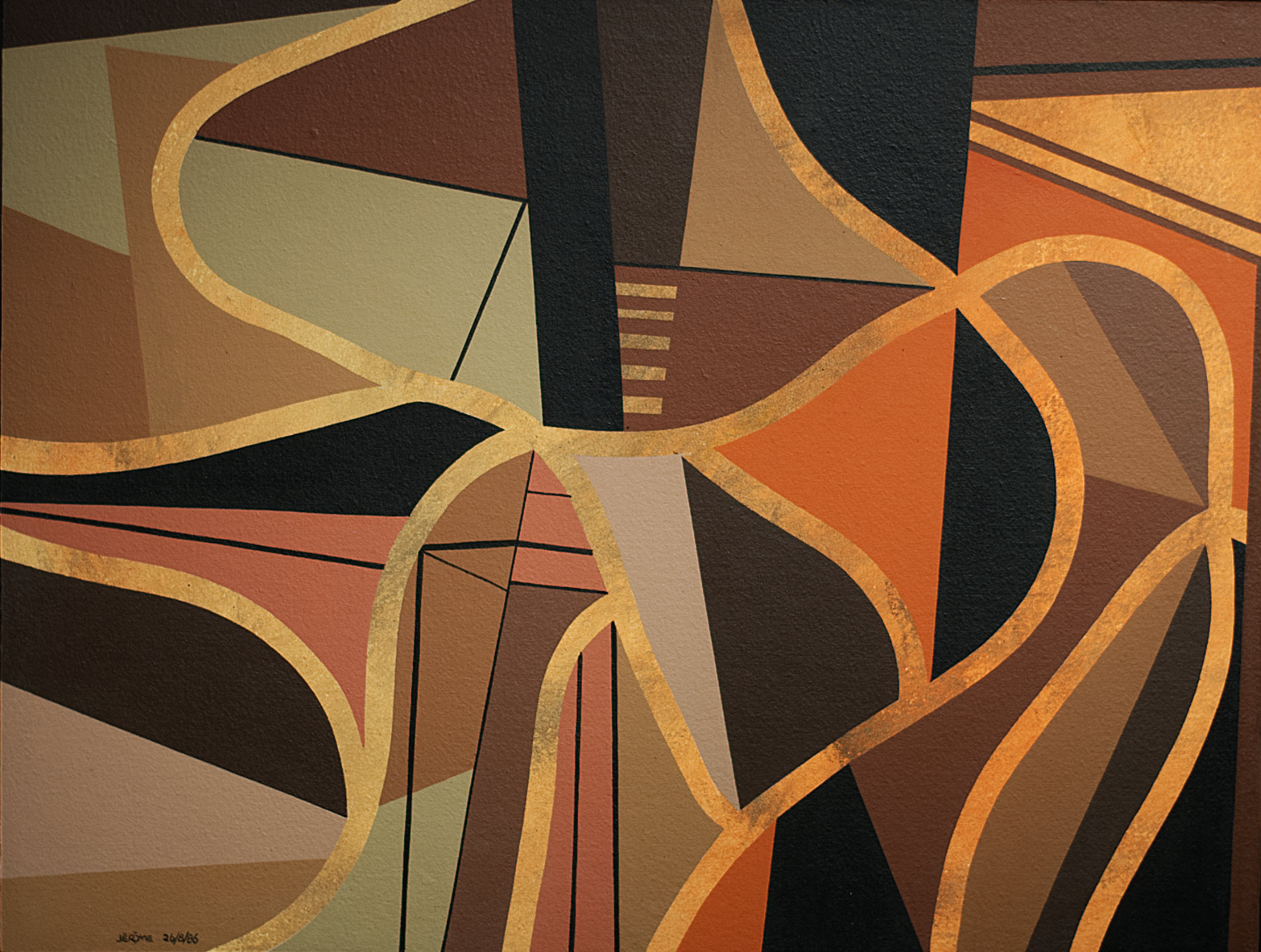
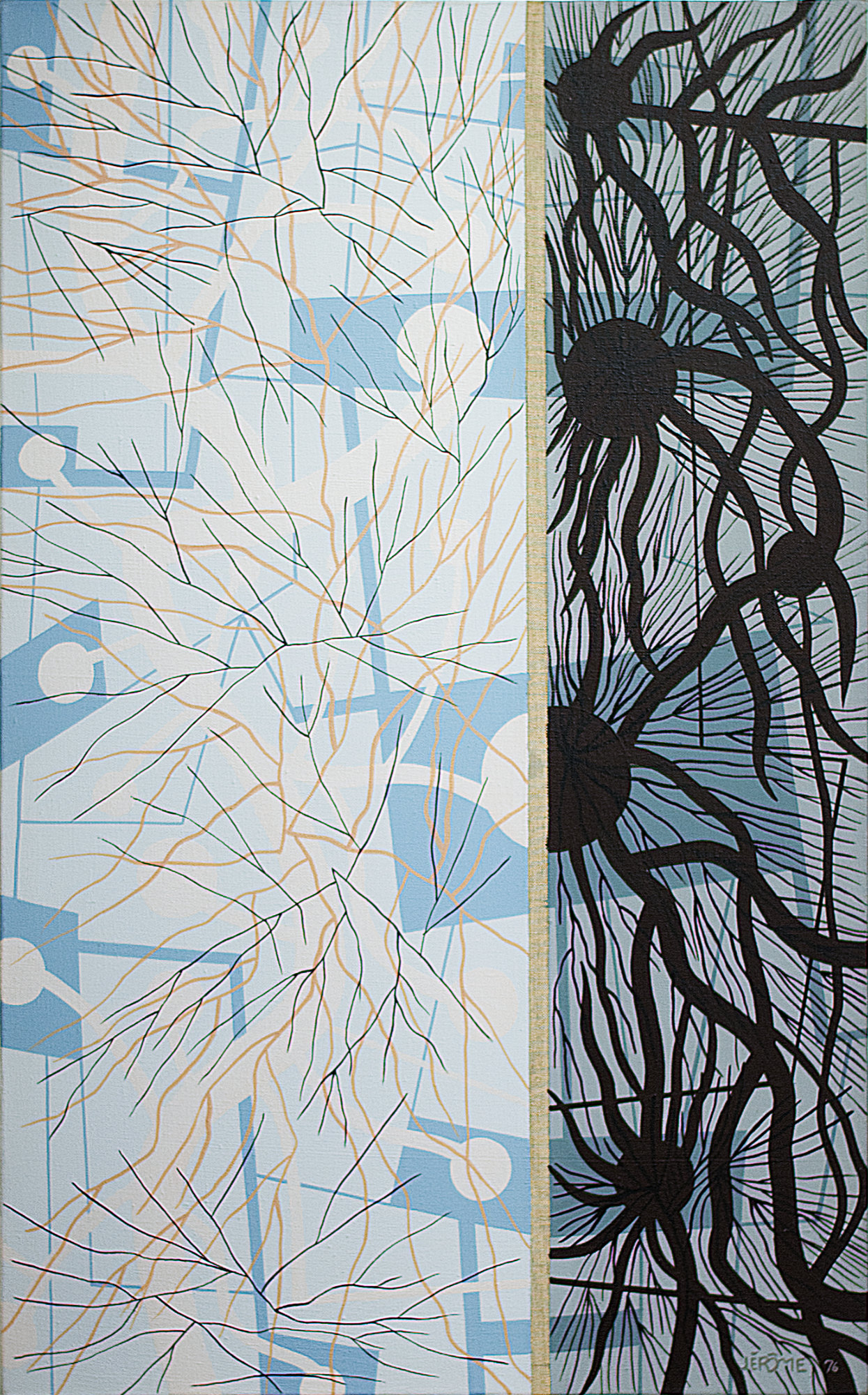
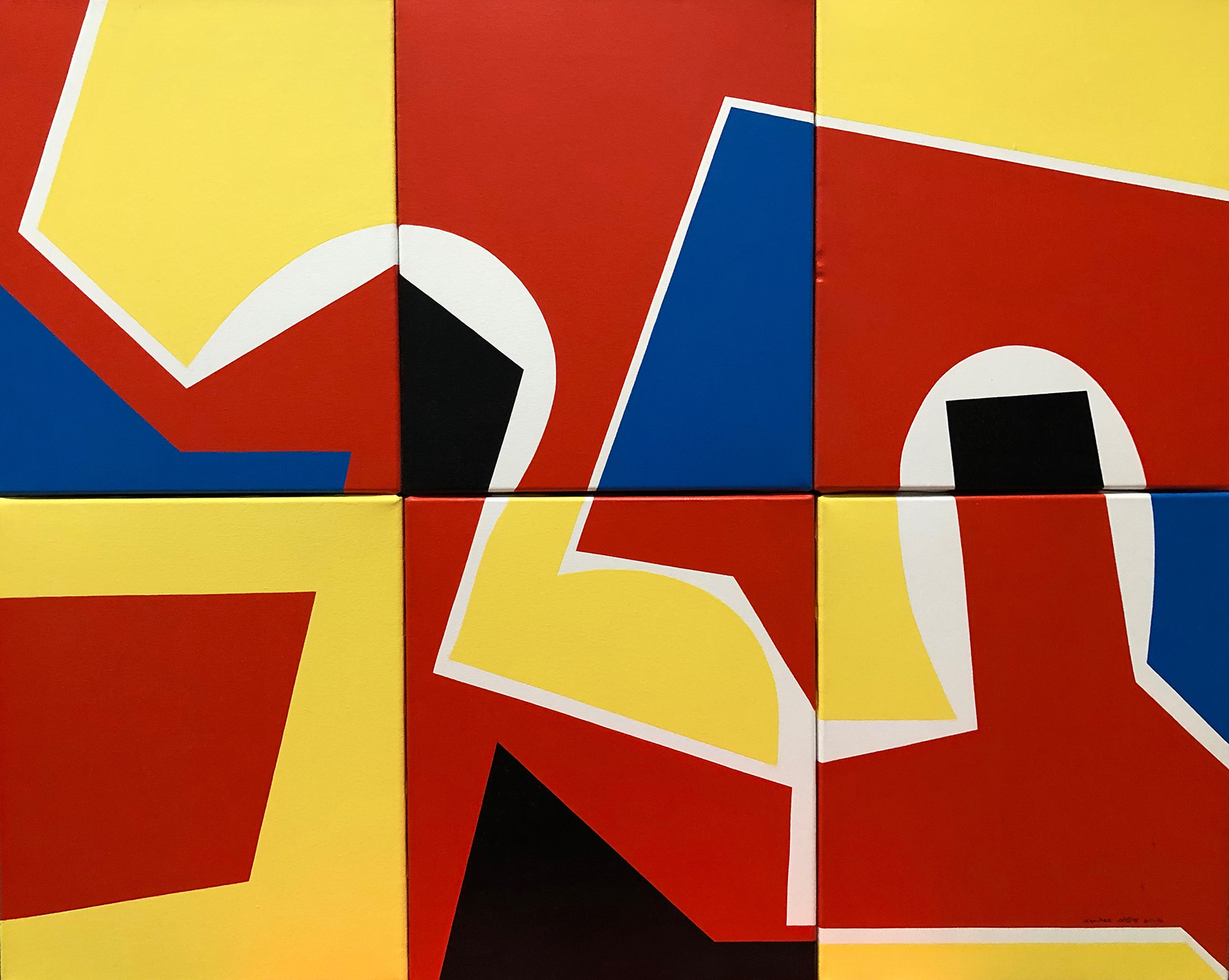
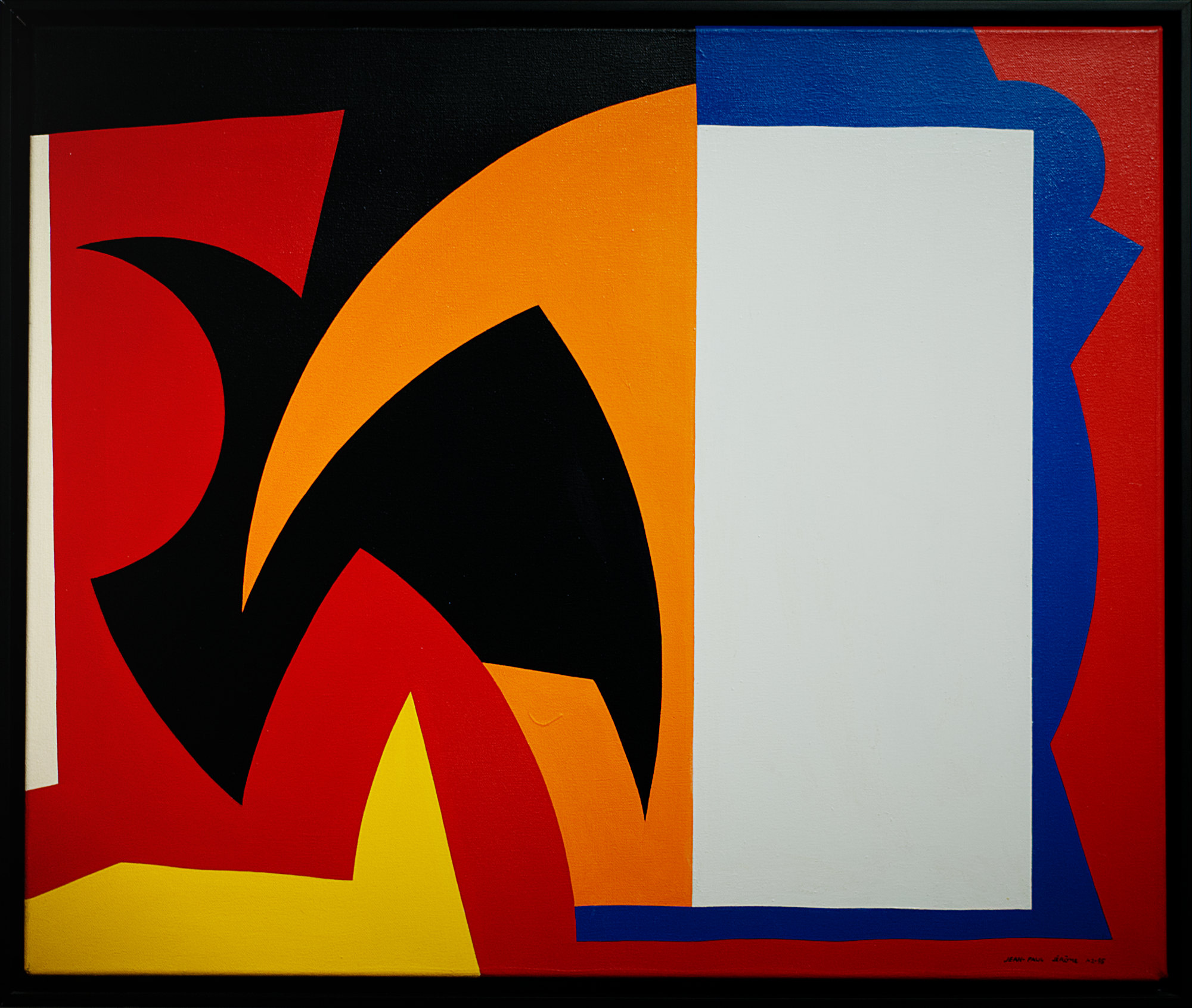
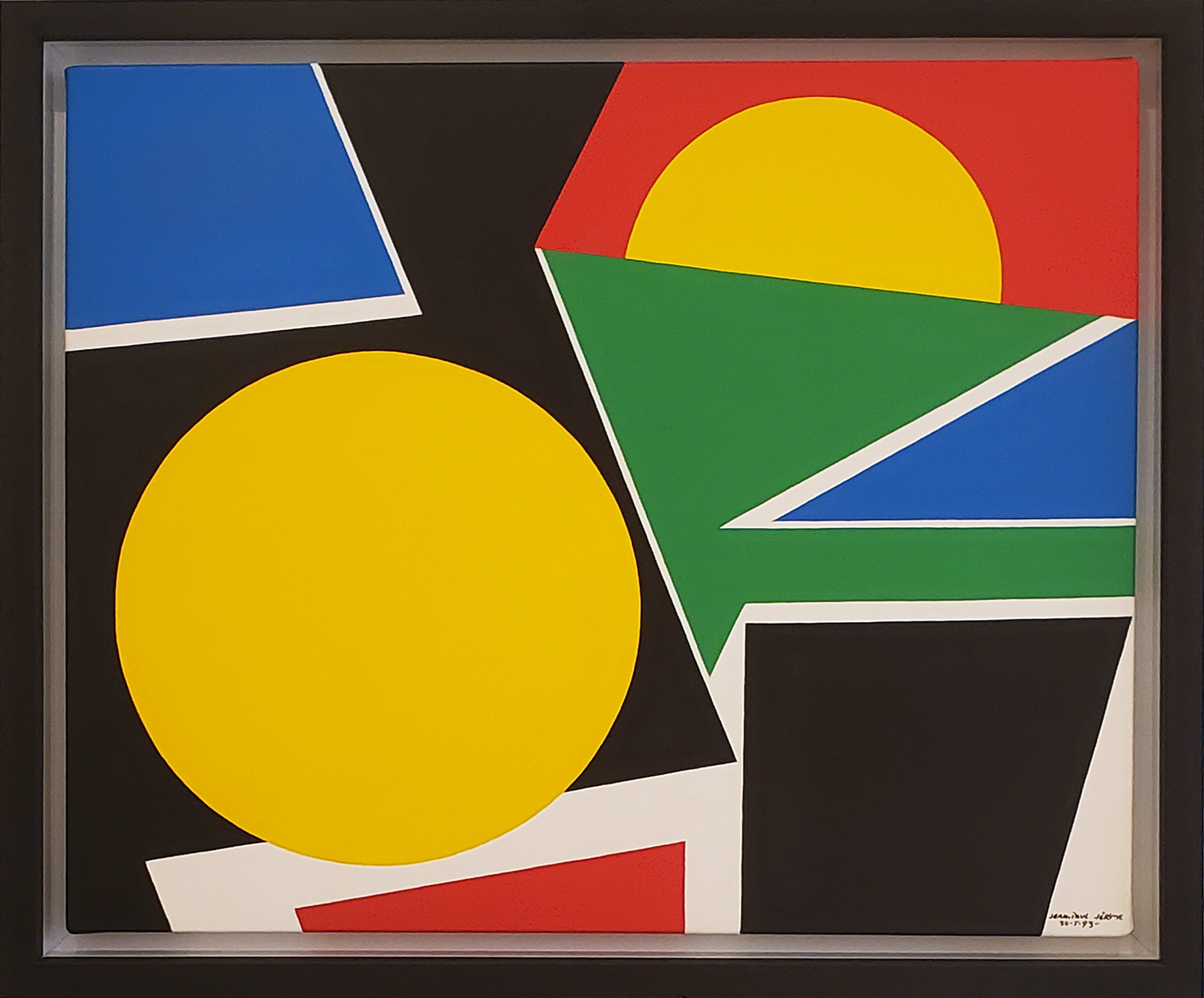
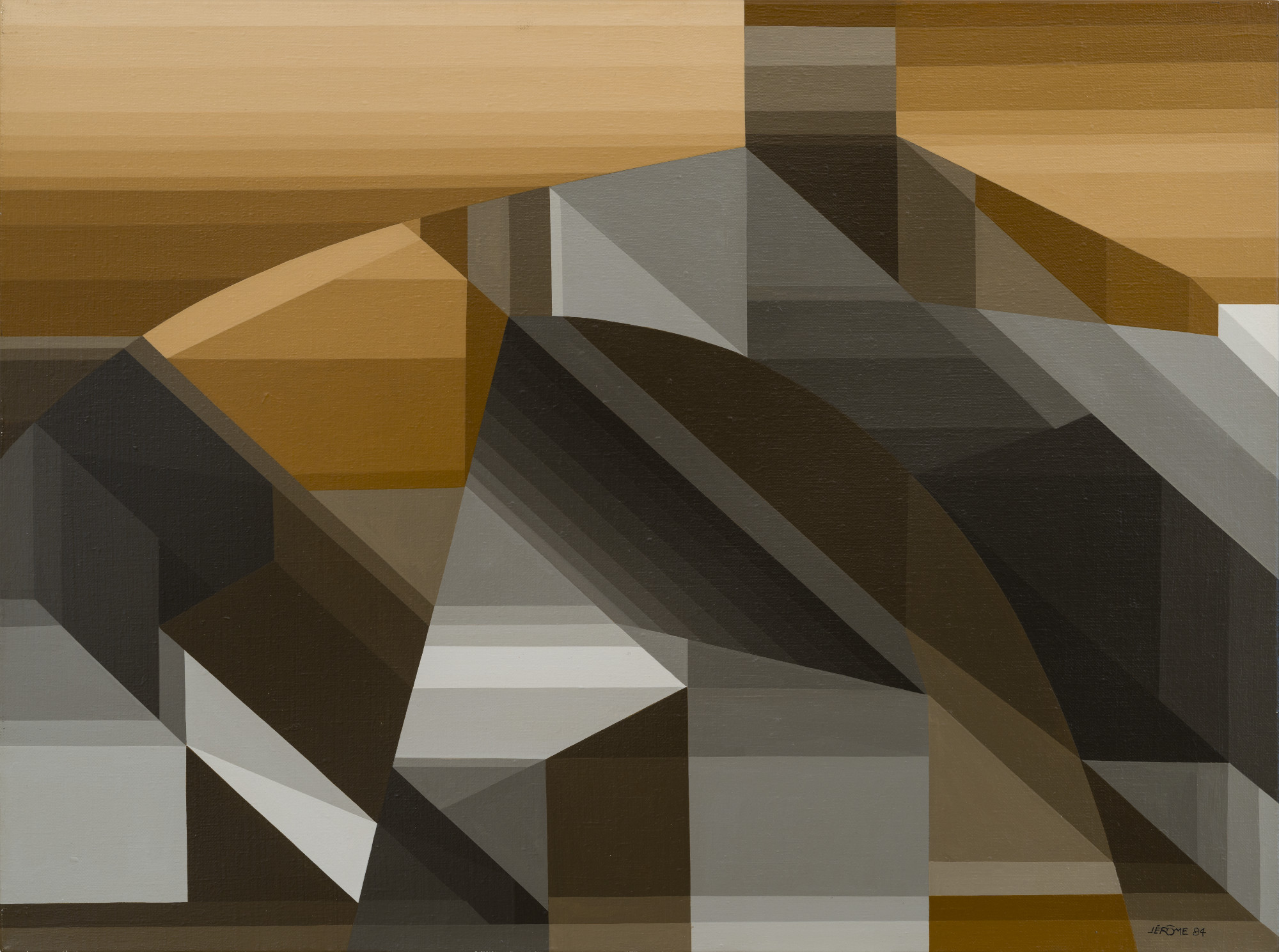
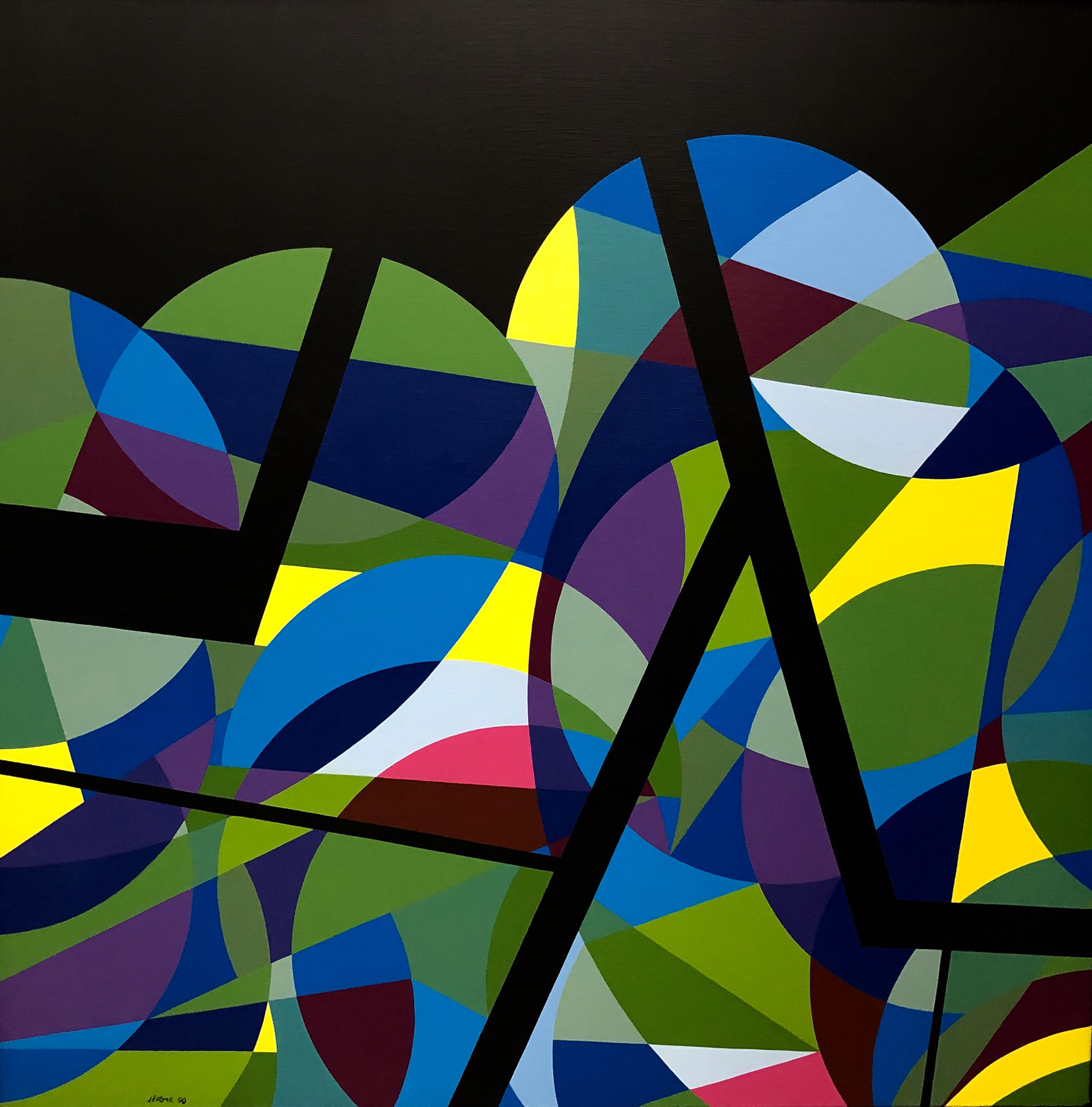
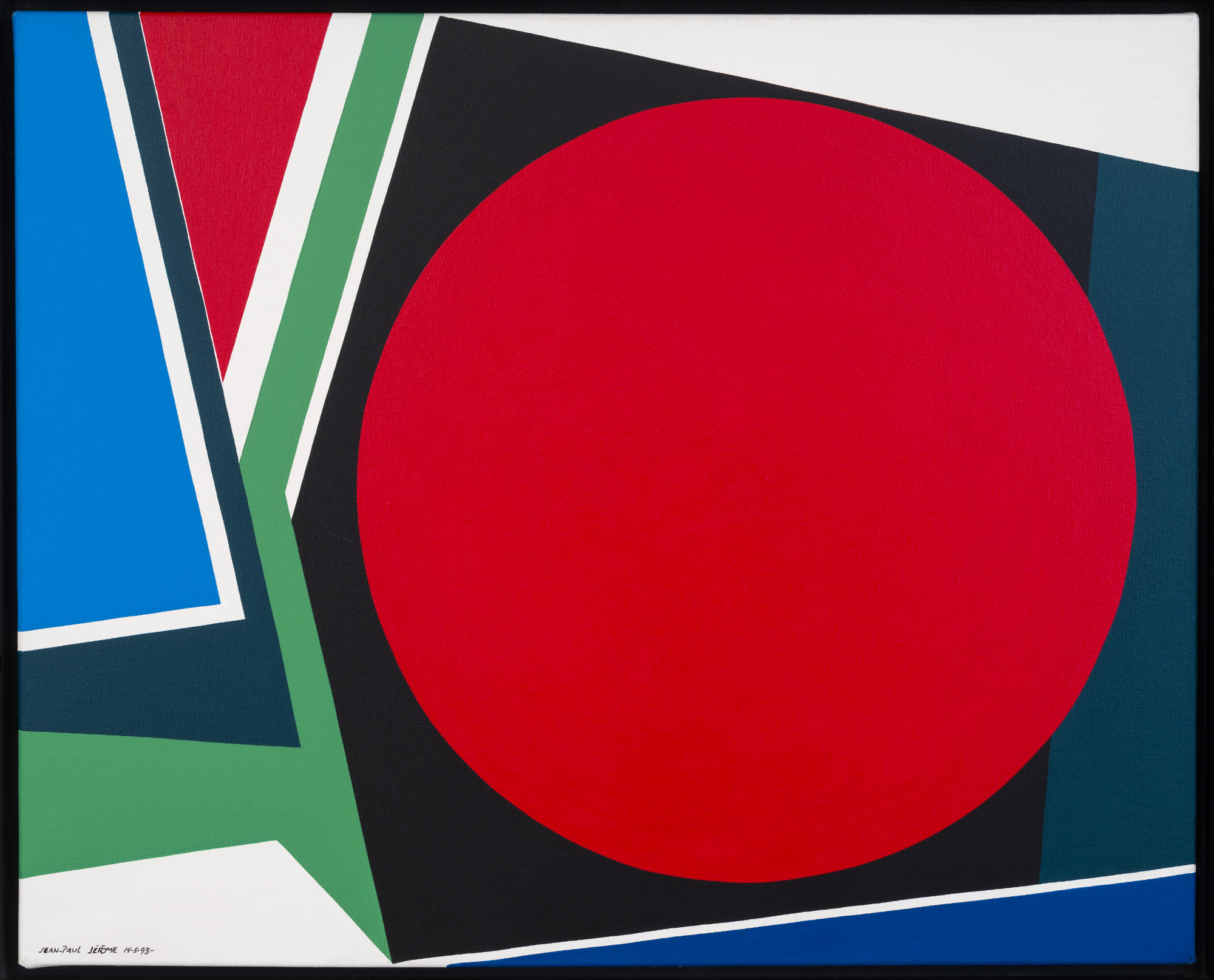
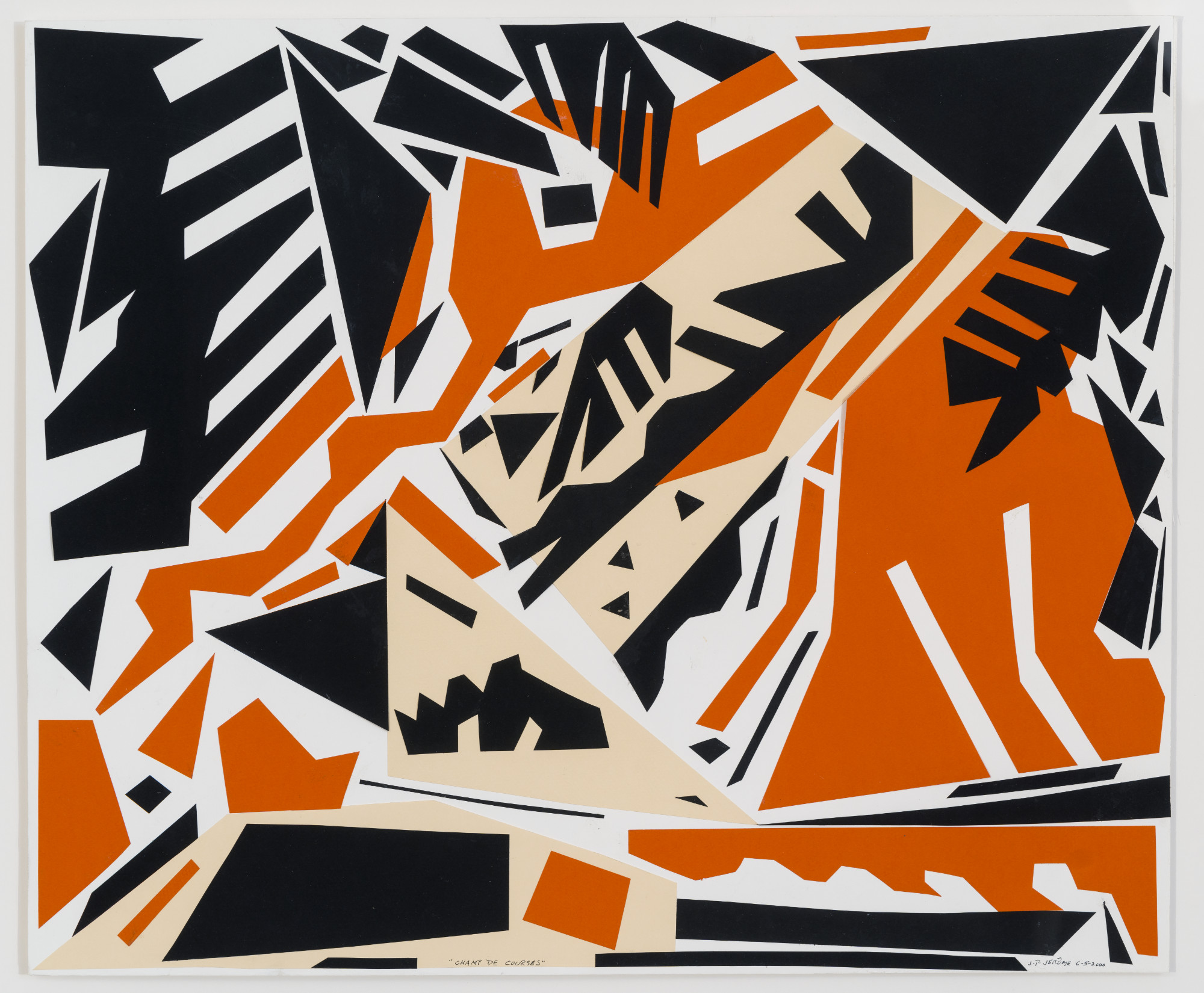
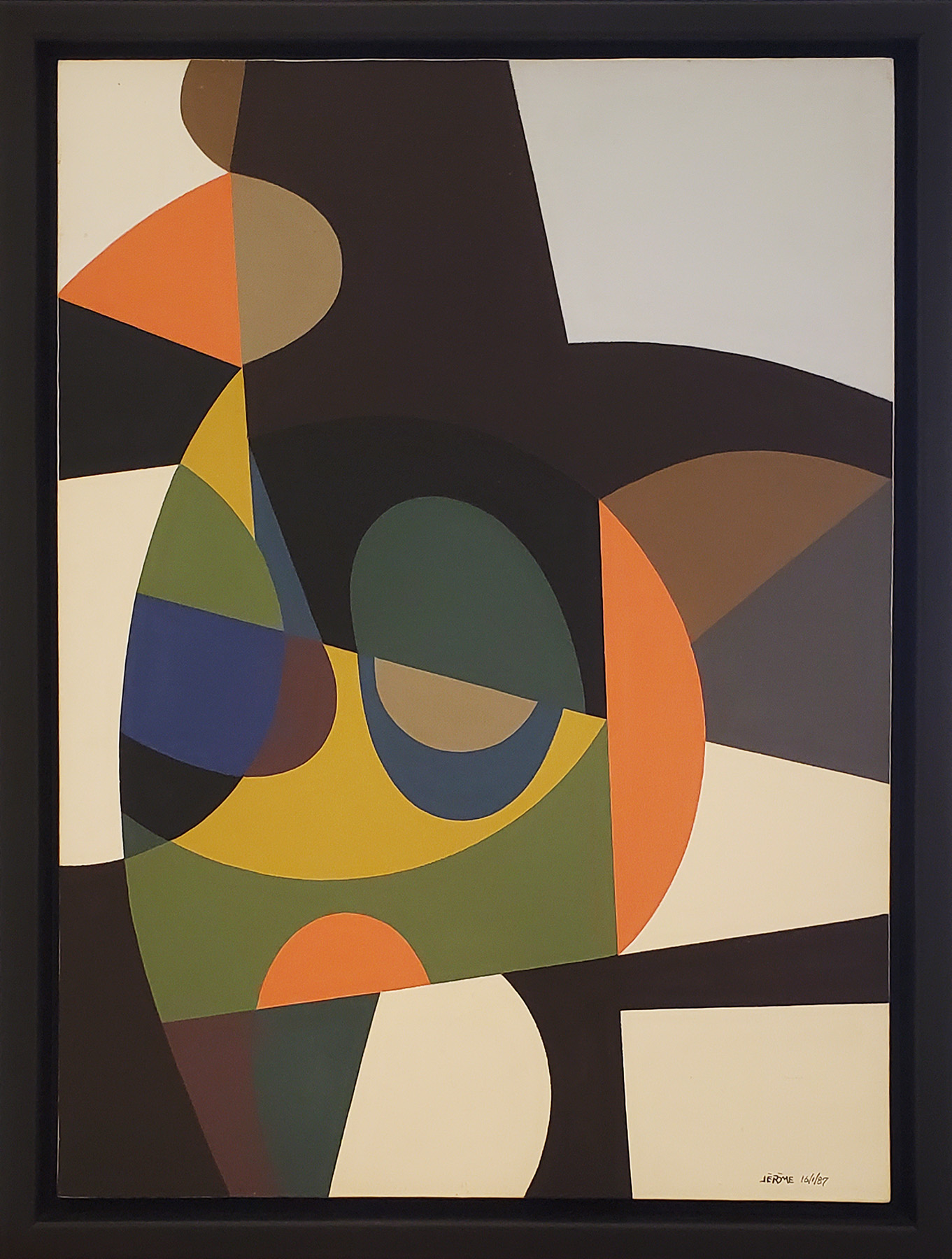
Les Plasticiens were a Montréal-based abstract art movement that emerged in the mid-1950s as a more structured response to the expressive freedom of the Automatistes. Where the Automatistes emphasized gesture, spontaneity, and the unconscious, the Plasticiens argued for order, clarity, and the formal autonomy of painting.
Their approach focused on the essential “plastic” elements of art: colour, line, form, surface, rhythm, and structure. The movement was formally launched in 1955 with the Manifeste des plasticiens, written by critic and artist Rodolphe de Repentigny under the name Jauran, and signed by Louis Belzile, Jean-Paul Jérôme, and Fernand Toupin.
For Canadian historical art, Les Plasticiens are important because they helped move Québec abstraction beyond the emotional intensity of Automatism toward a disciplined geometric language. Their legacy shaped later Montréal abstraction and remains central to understanding the evolution of postwar Canadian modernism.
If you are interested in acquiring exceptional works by Canadian artists or have a historical artwork to sell, we’d love to hear from you.
Les Plasticiens et les années 1950–1960 A key scholarly reference for understanding the movement’s origins, its break from Automatism, and the rise of geometric abstraction in Montréal — essential context for collectors evaluating Belzile, Jérôme, Toupin, Molinari, and Tousignant.