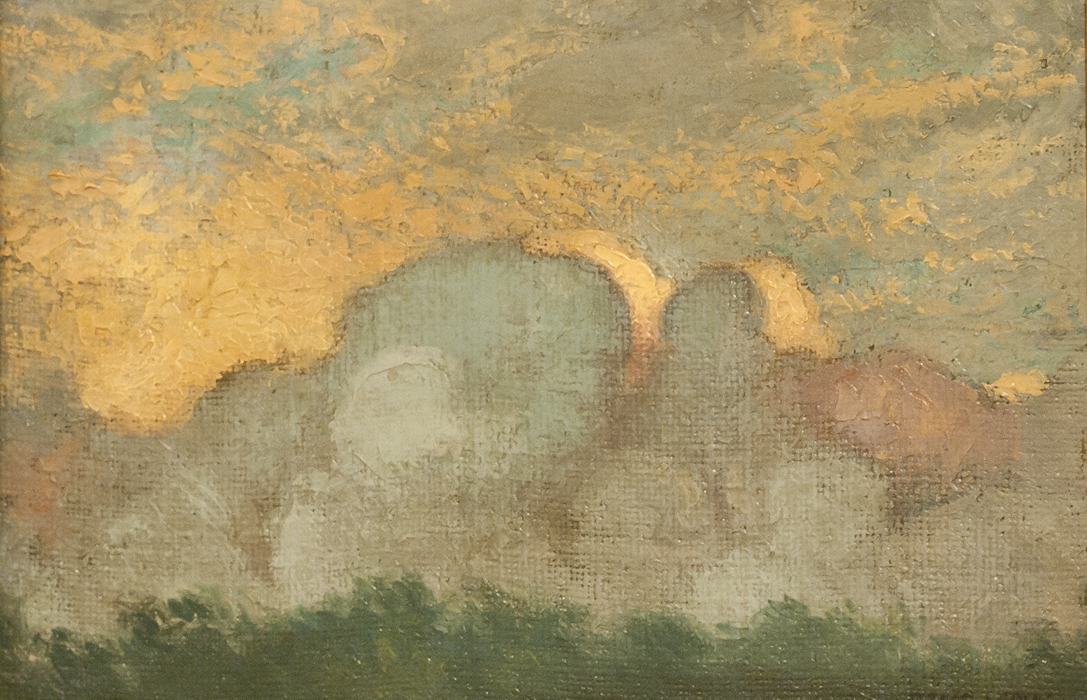
Artist Origin: Canadian Artist Type: Historical works of significance / Member of the Automatistes and Les Plasticiens Born: July 4, 1916, Viauville (Montreal), Quebec Died: January 28, 2014, Montreal, Quebec
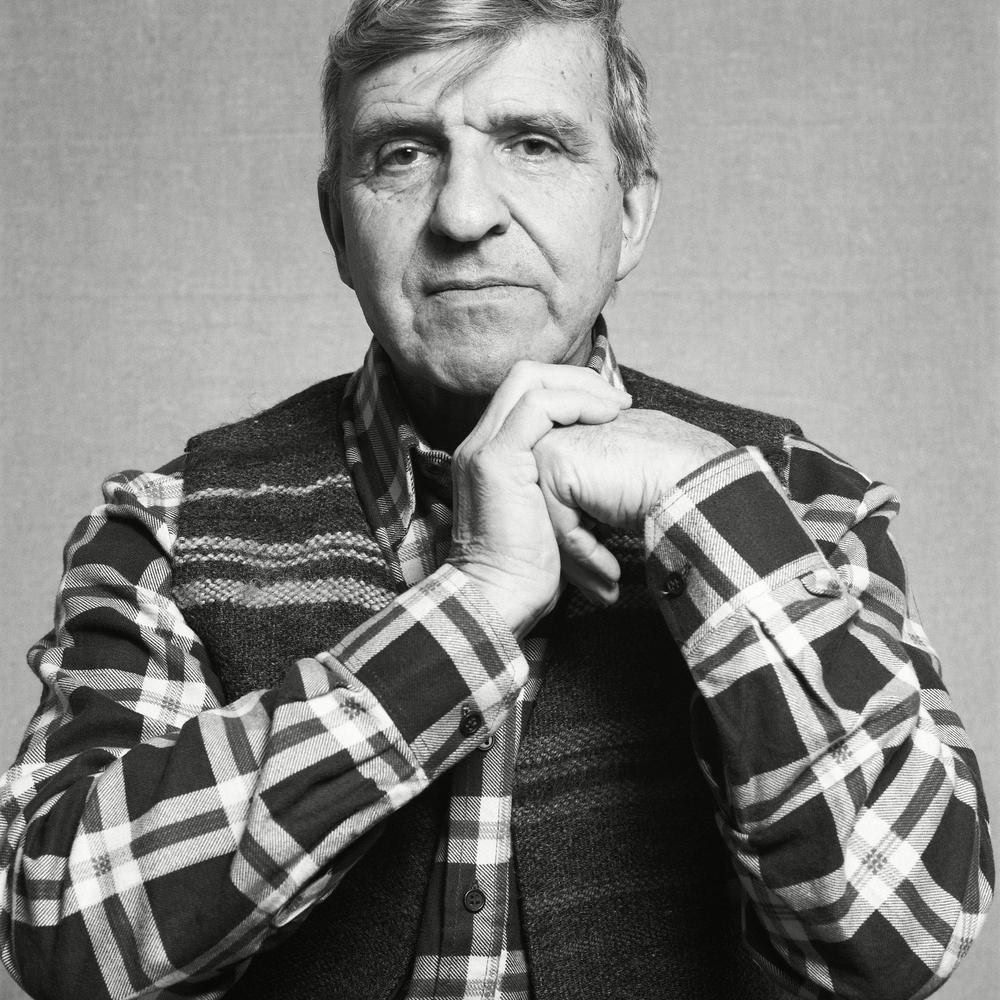
Fernand Leduc was a pioneering figure in Canadian abstract art, known for his luminous and dynamic compositions. Born in Montreal, he began his artistic studies at the École des beaux-arts de Montréal in 1938. In 1943, he left the seminary to pursue a career in art, becoming a member of the Contemporary Arts Society. Leduc played a significant role in the formation of the Automatistes group, co-signing the influential Refus Global manifesto in 1948.
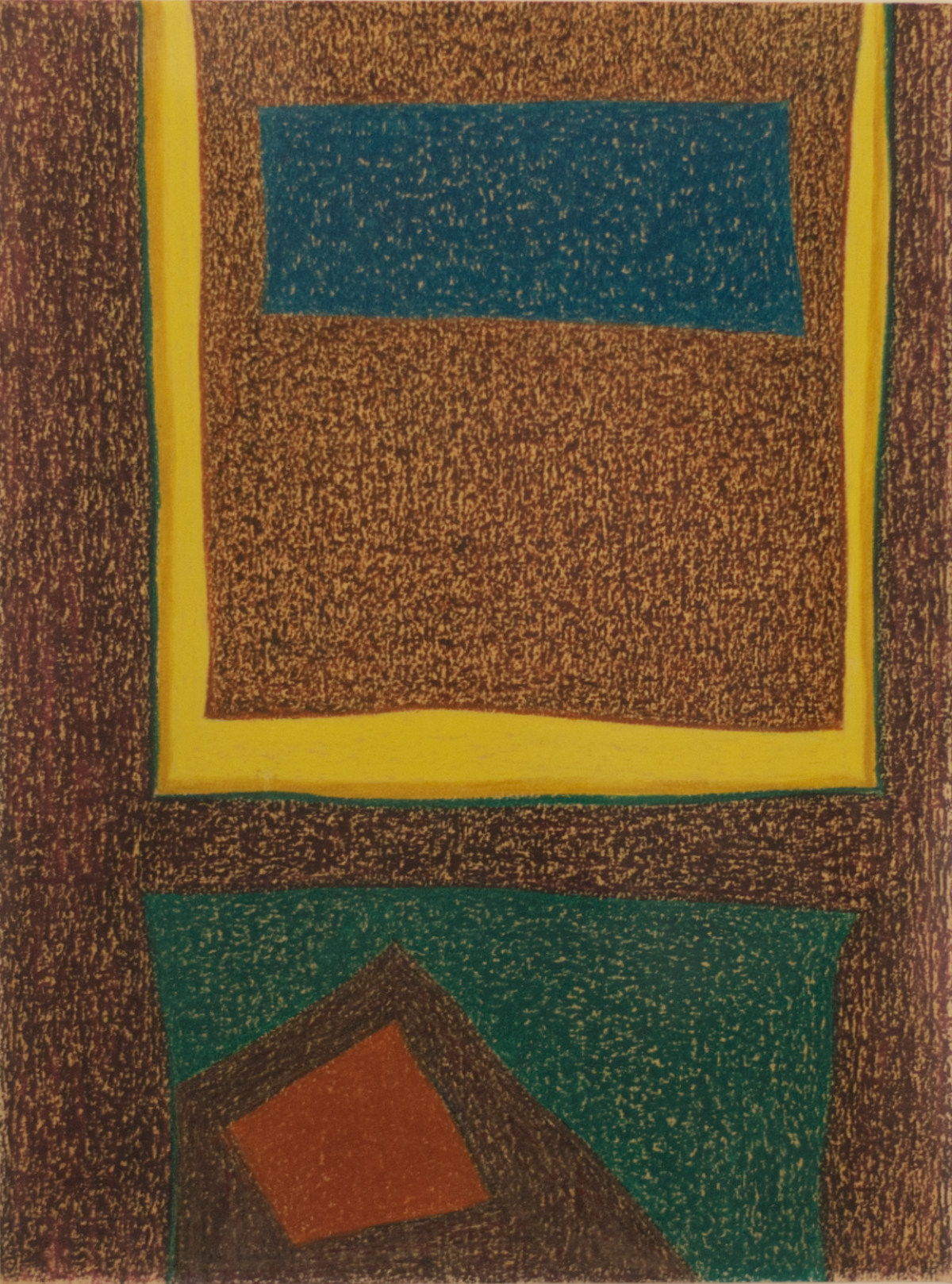
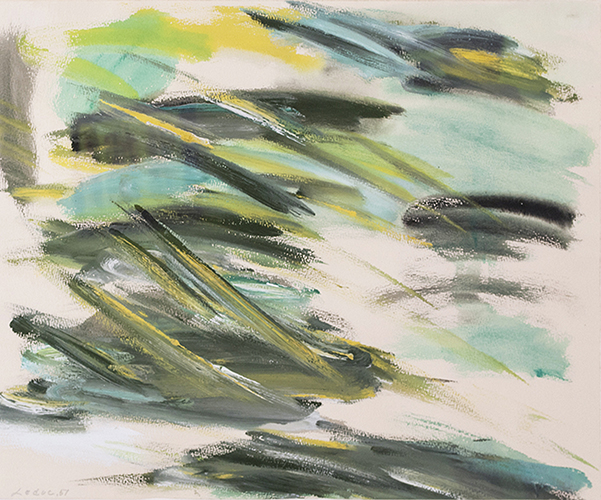
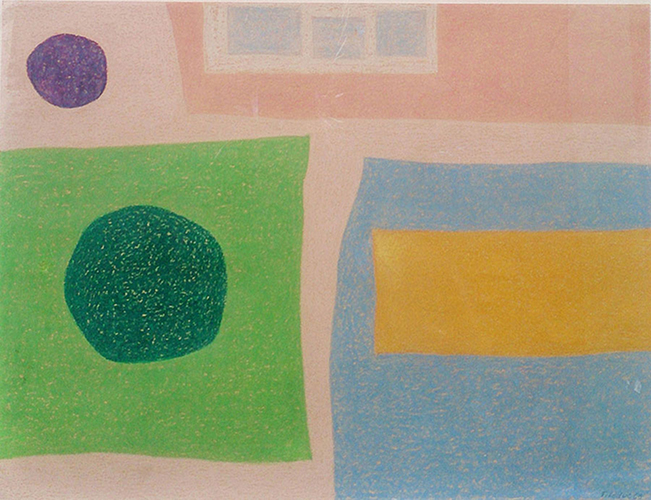
In 1946, Leduc moved to Paris with his wife, Thérèse Renaud, where he immersed himself in the European art scene. He developed a close friendship with painter Jean Bazaine, which influenced his transition towards abstract expressionism. In the mid-1950s, Leduc shifted to a hard-edge abstraction style, focusing on the interplay of color and form.
Returning to Montreal in 1953, he continued to evolve his artistic practice, founding the Association des artistes non-figuratifs de Montréal in 1956 and serving as its first president. Leduc spent significant time in France and Italy before returning to Montreal in 2006.
Publications
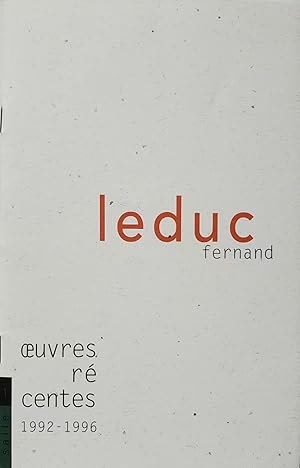
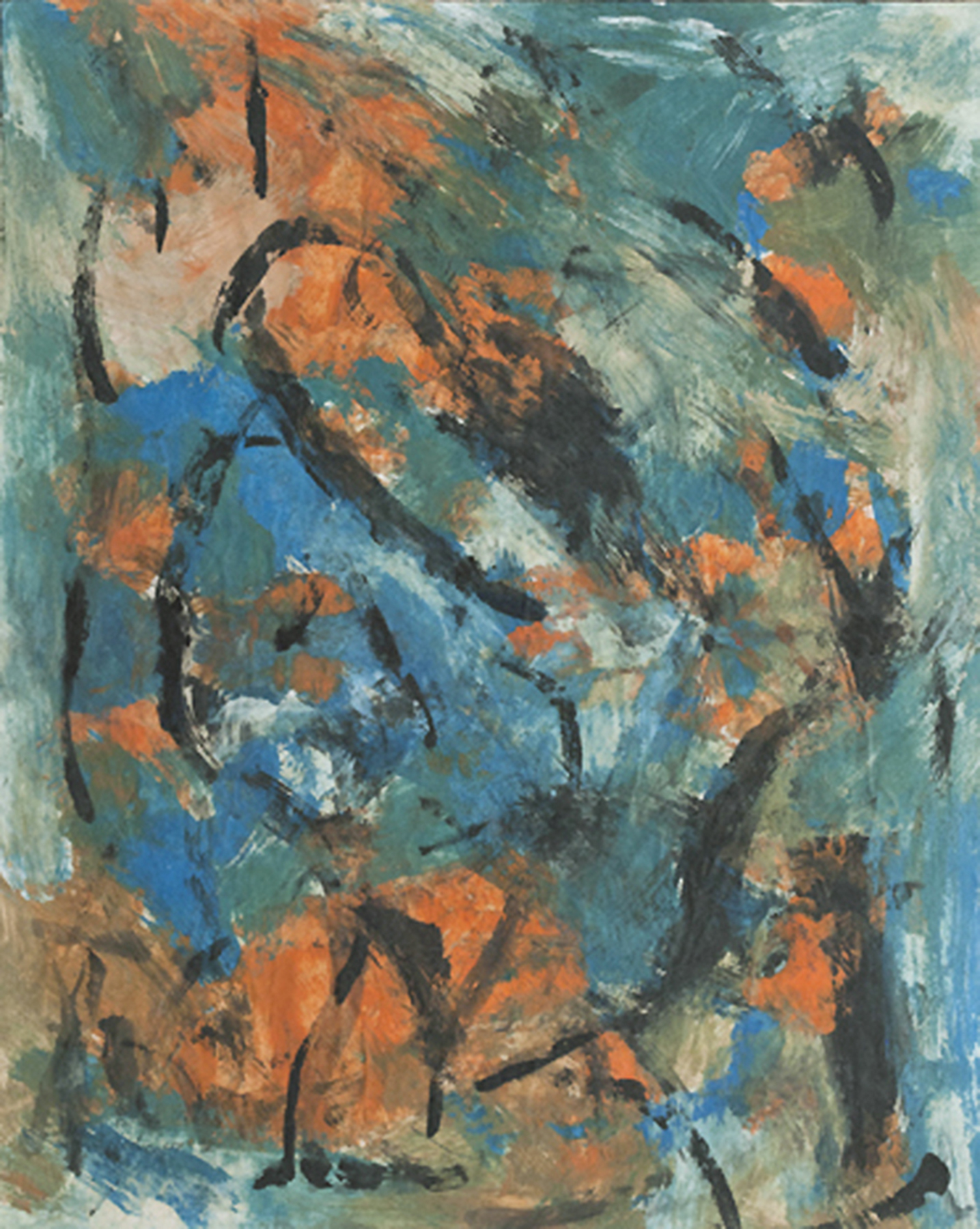
“Fernand Leduc: Oeuvres récentes (1992–1996)” – Published by the Musée du Québec, this publication showcases Leduc’s works during the 1990s, highlighting his continued exploration of abstract forms and color dynamics.