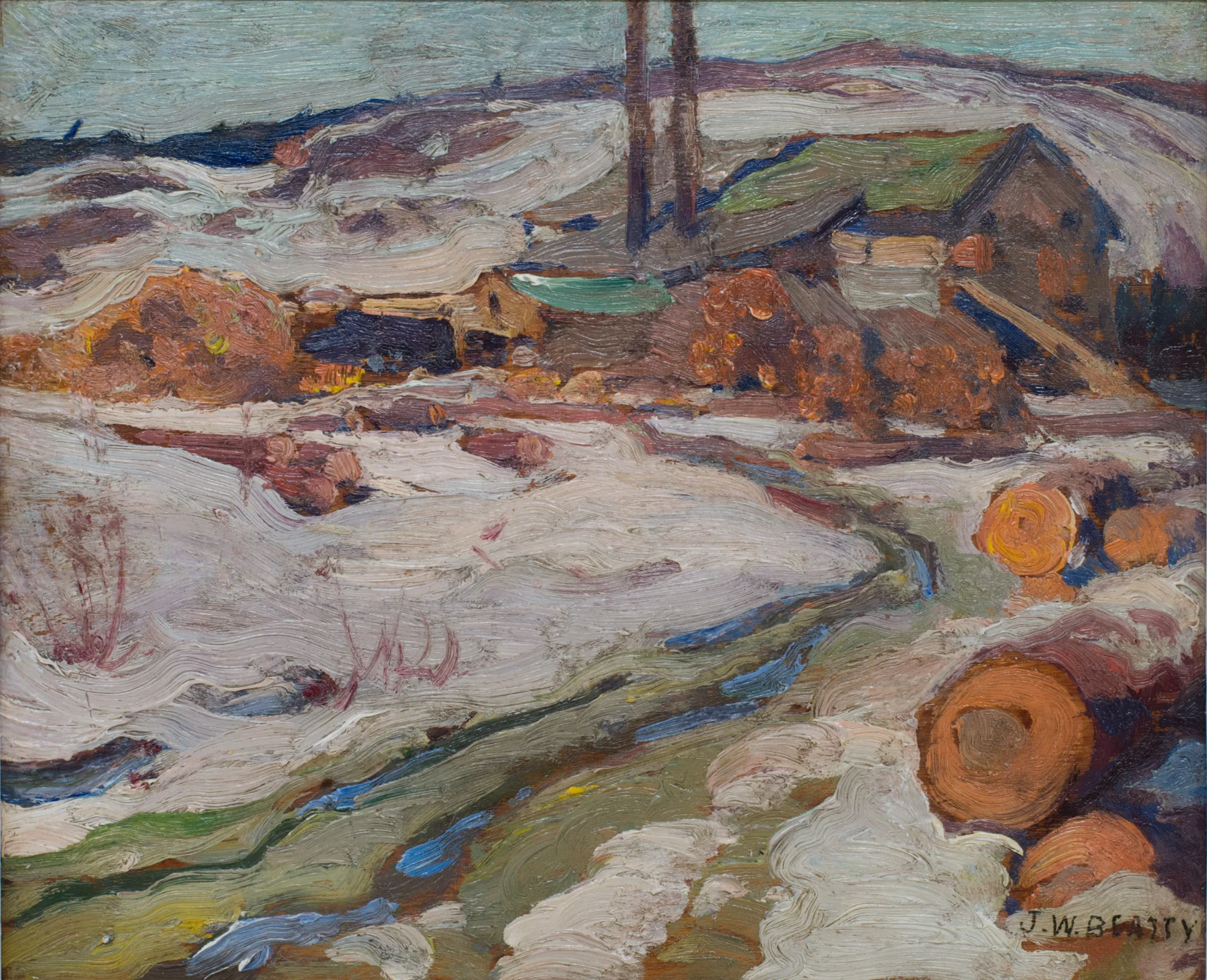
Artist Origin: Canadian Artist Type: Impressionist, Modernist, Landscape Painter Born:May 30, 1869, Toronto, Ontario Died: October 4, 1941 Toronto, Ontario
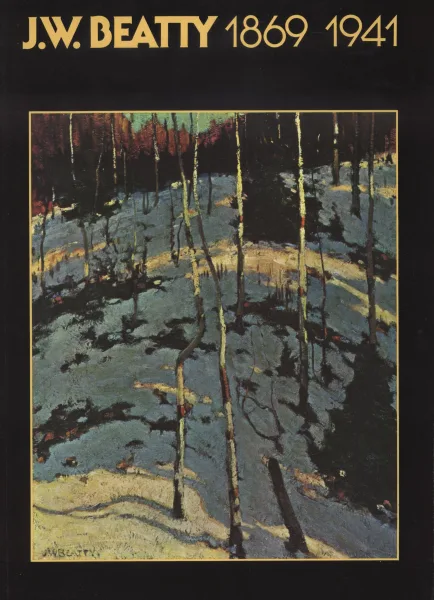
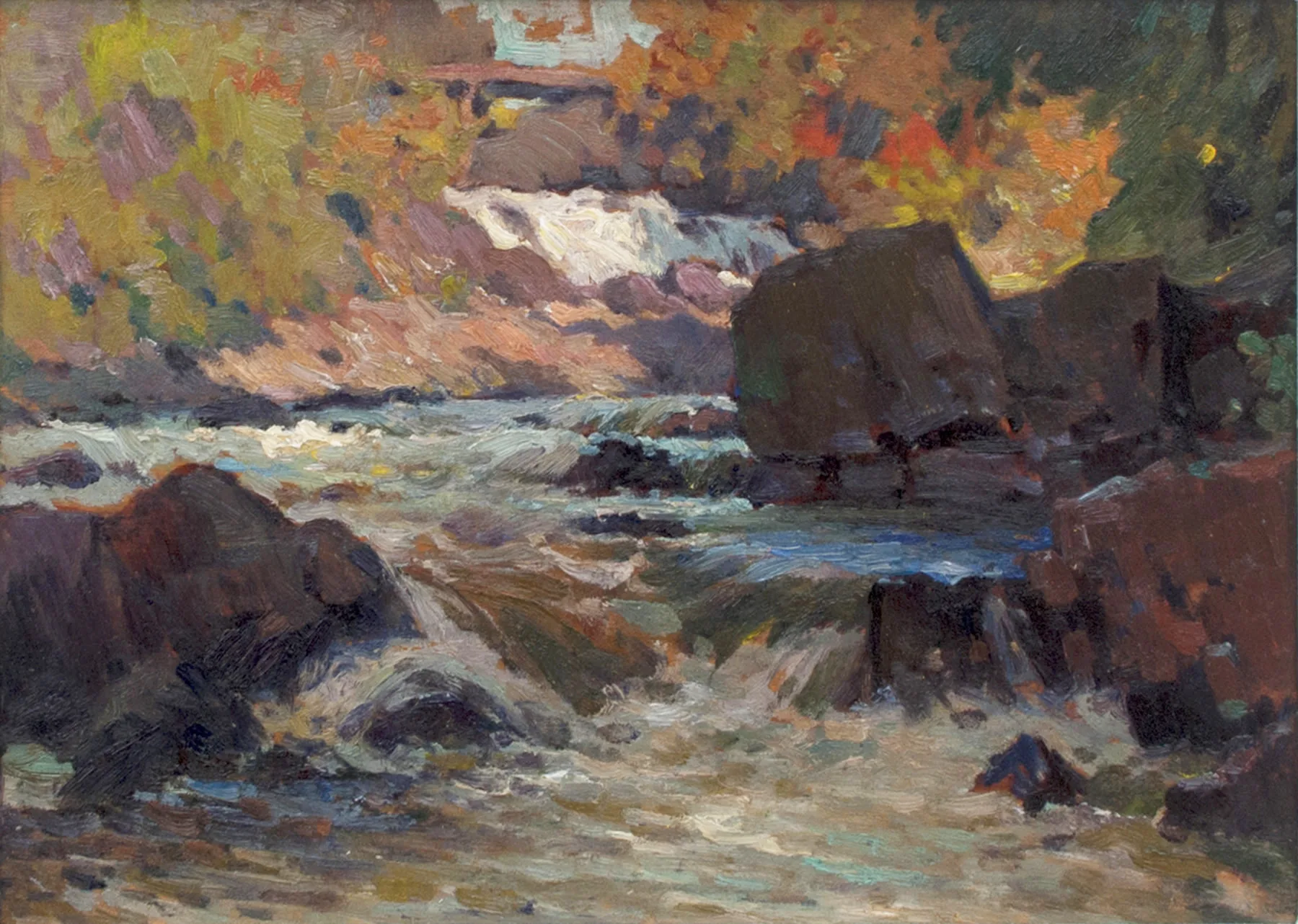
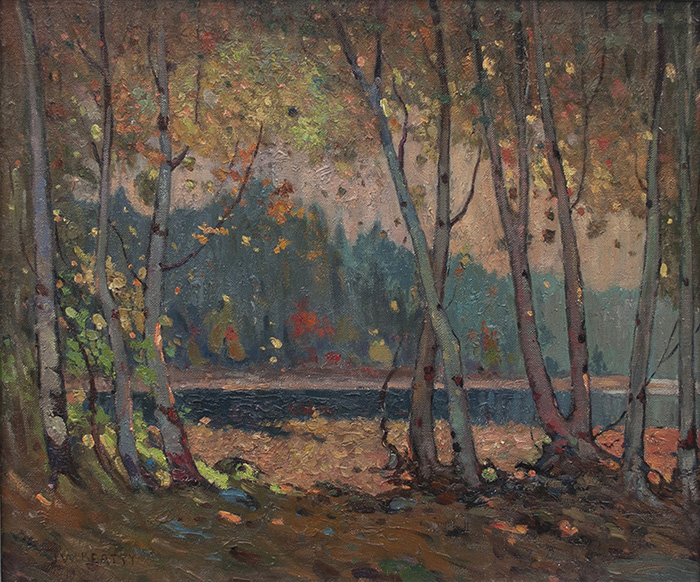
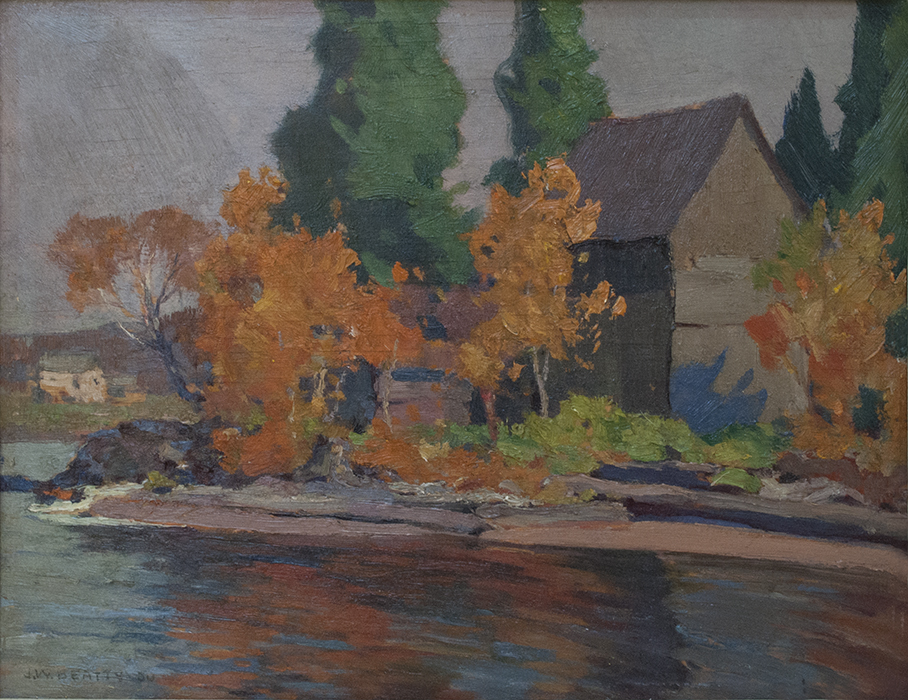
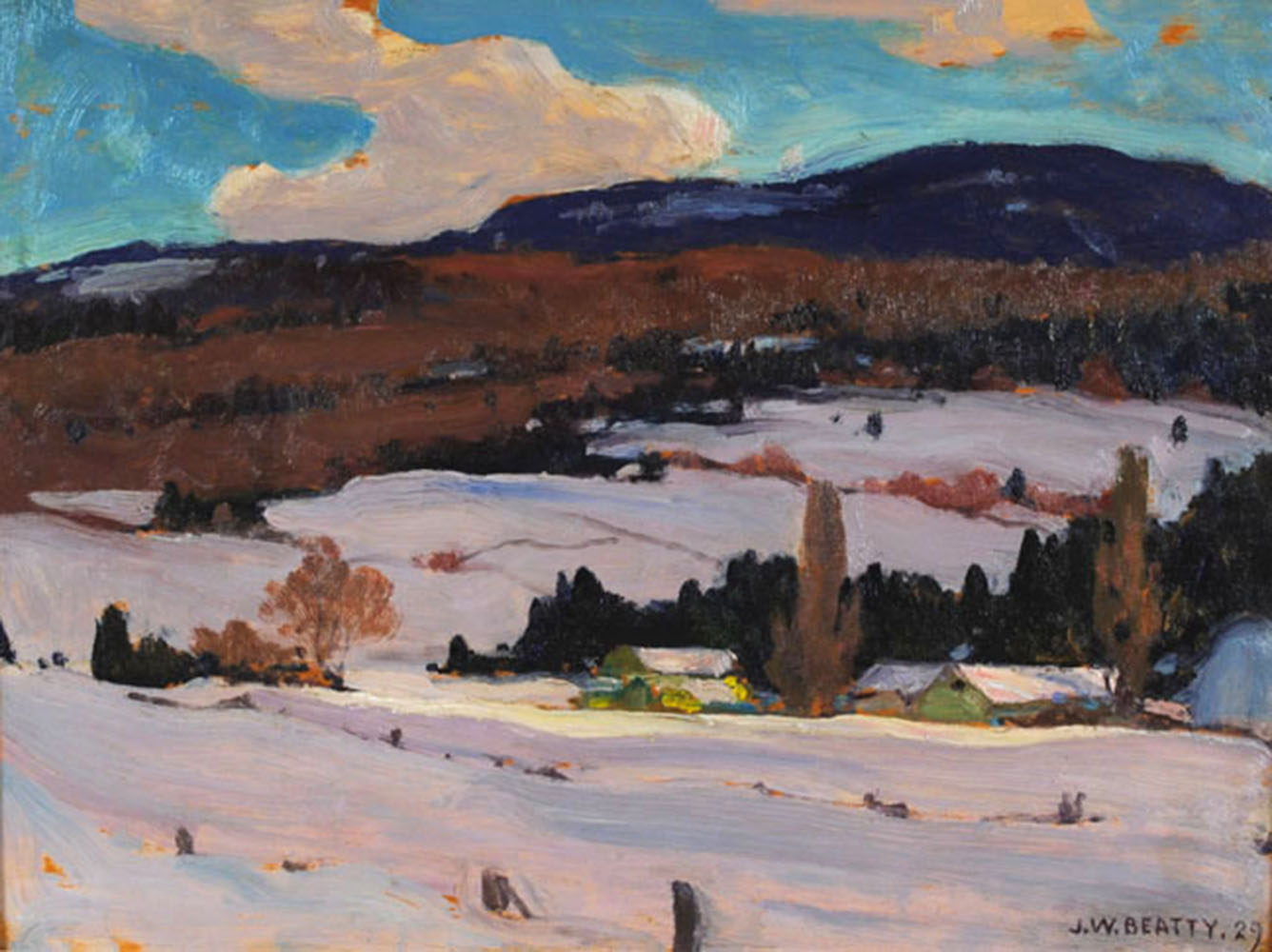
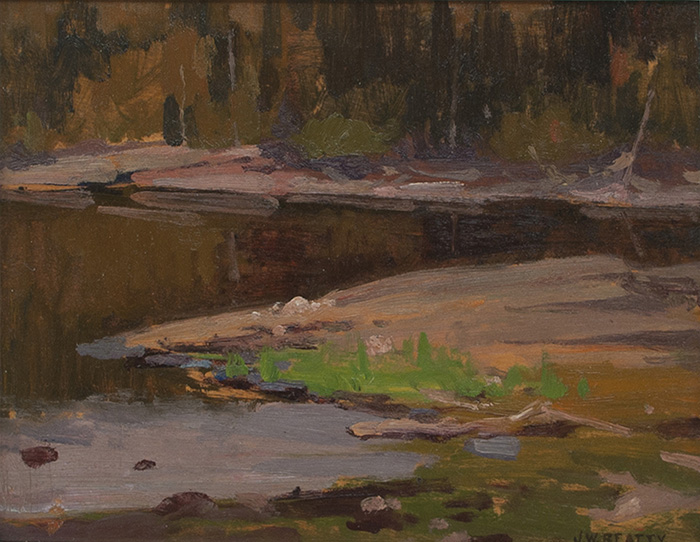
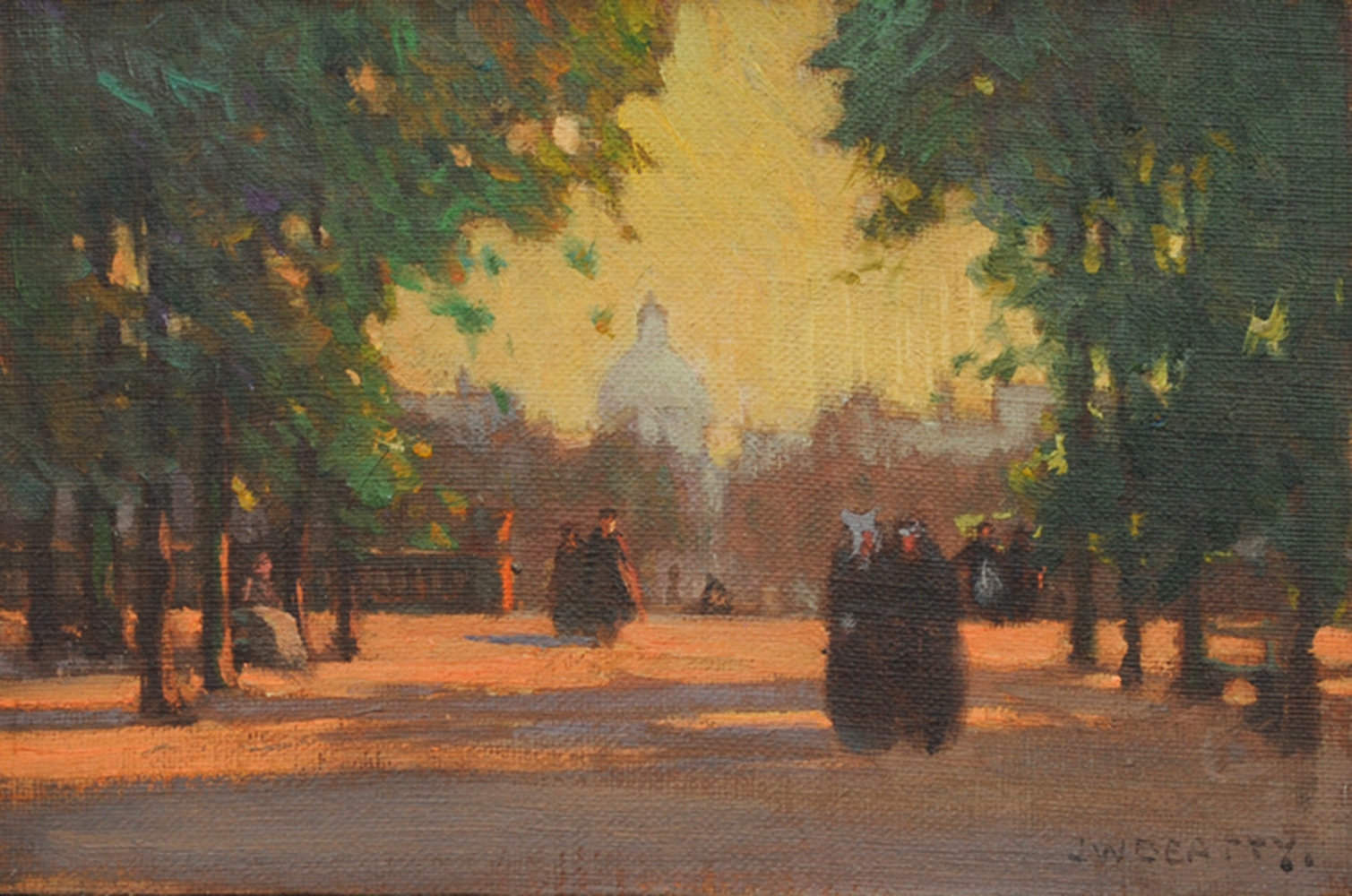
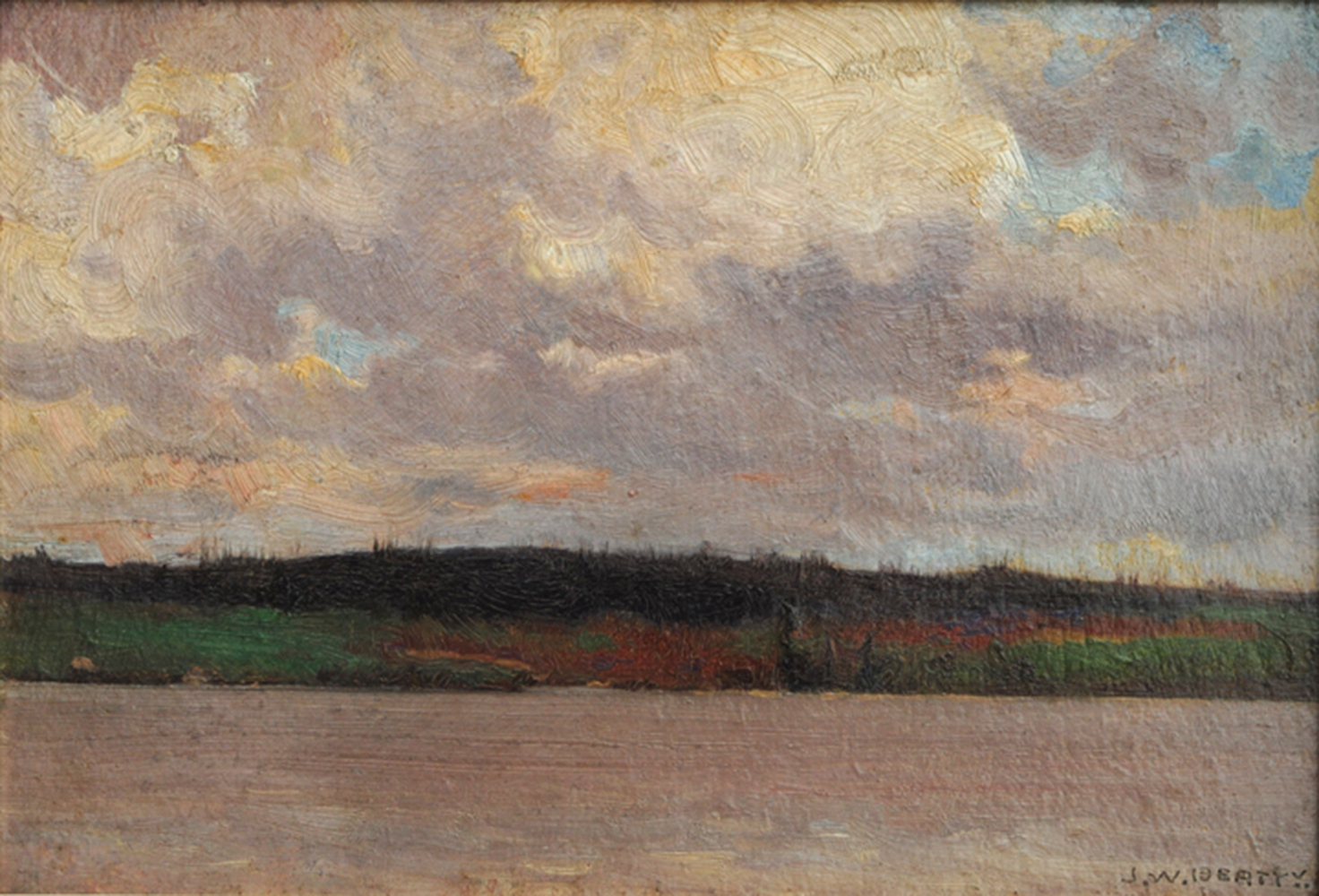
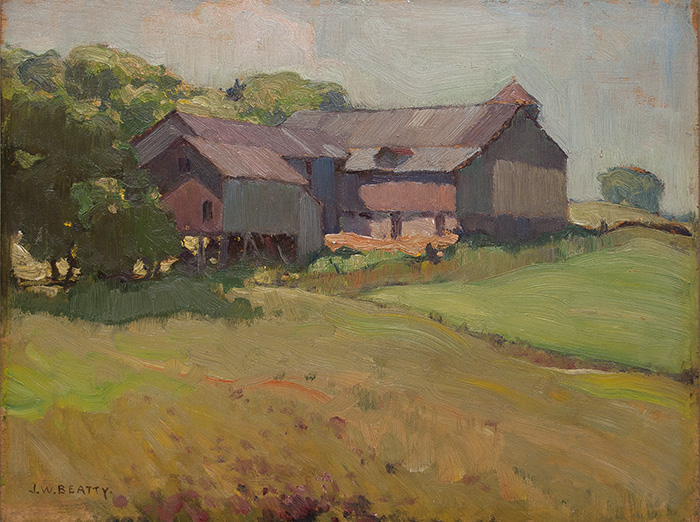
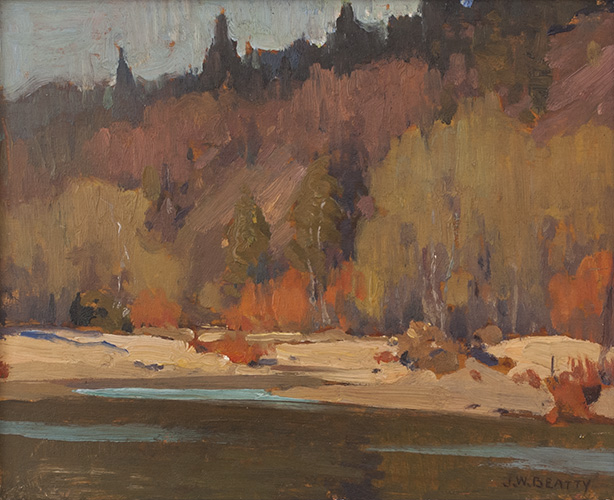
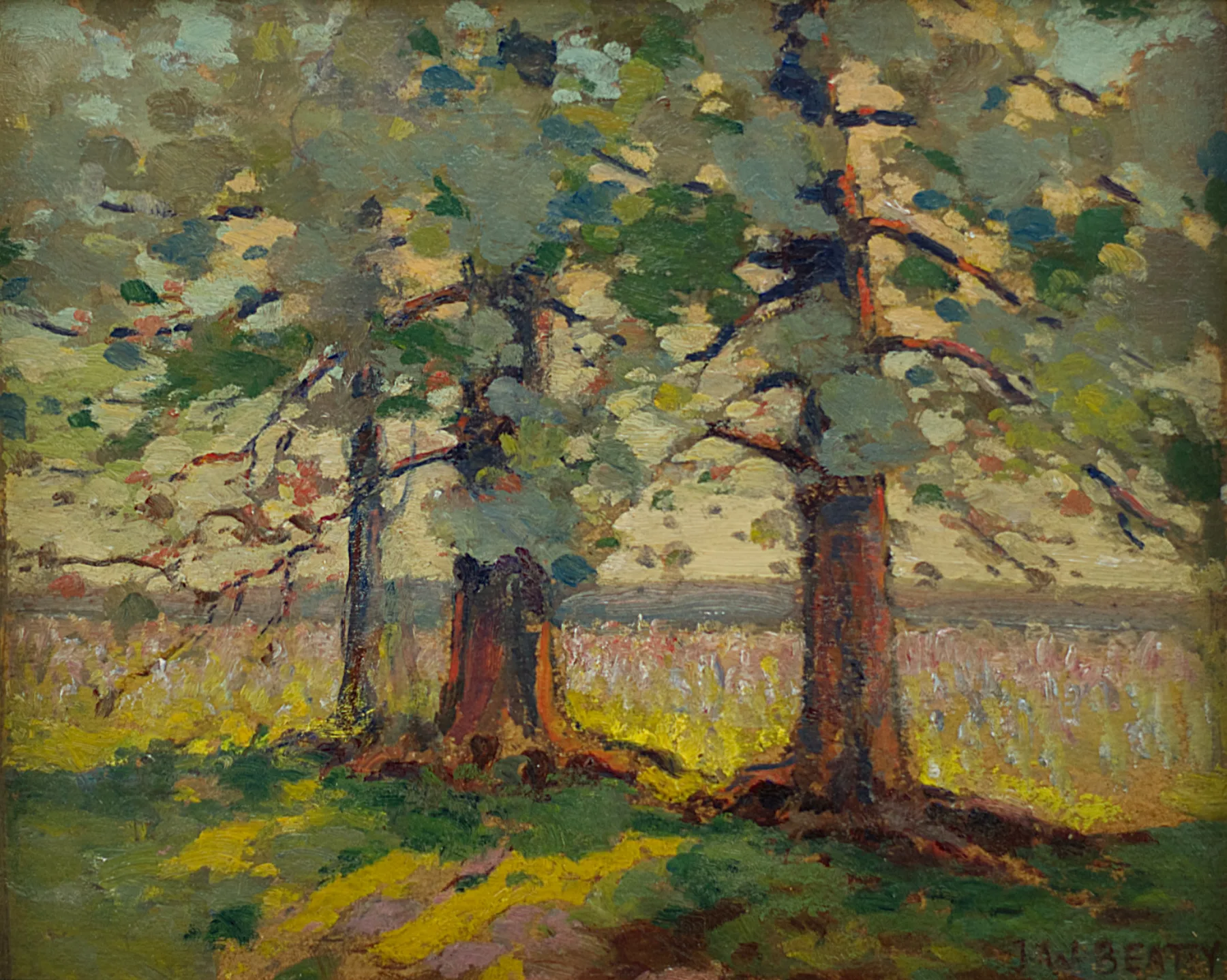
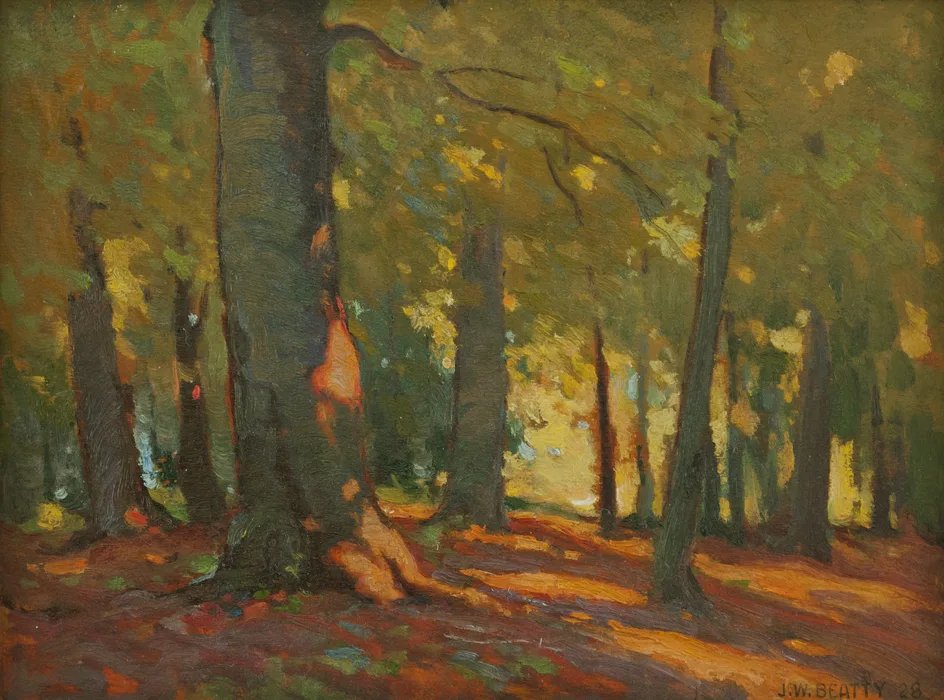
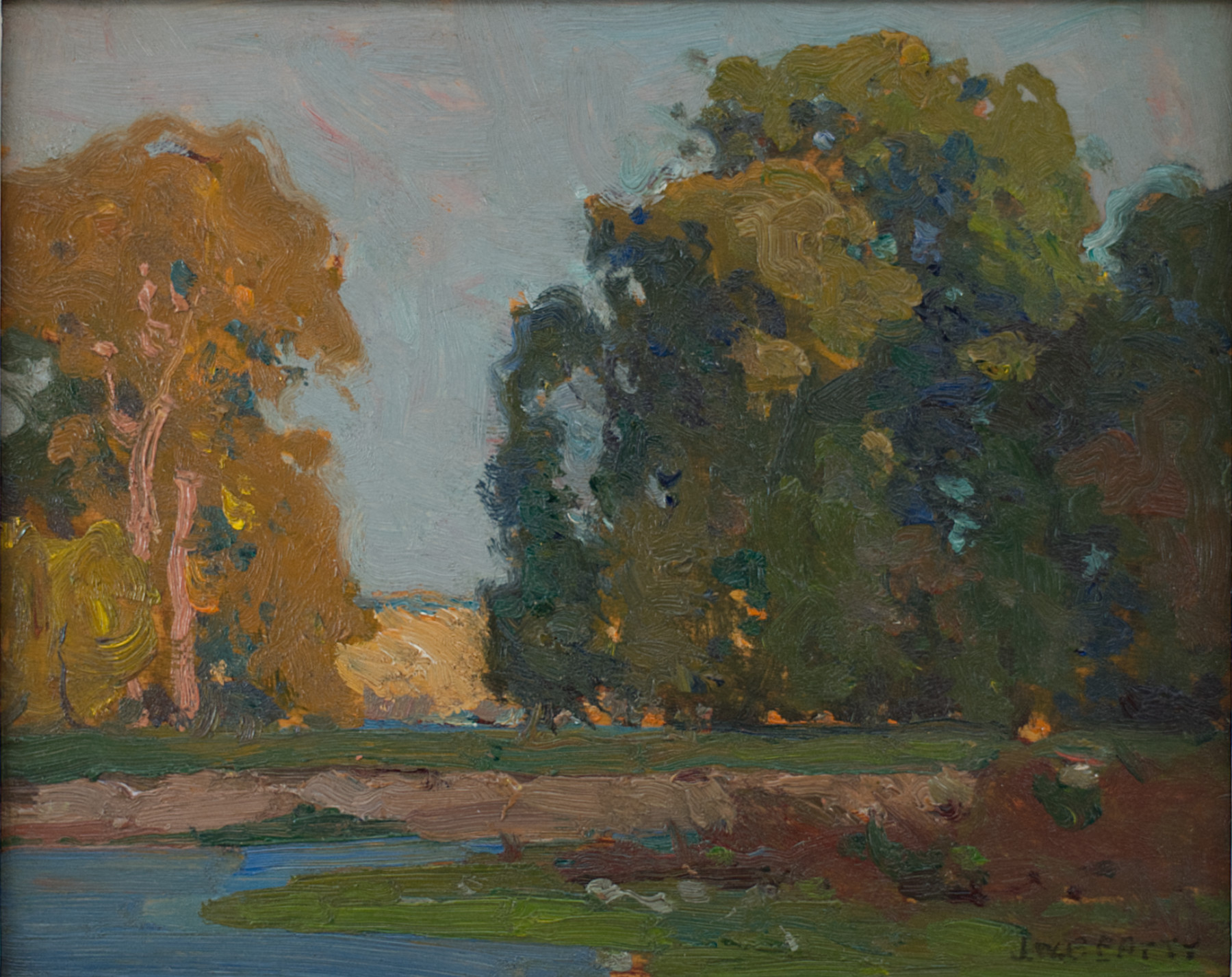
John William Beatty (1869–1941) was a pivotal figure in the development of a distinctly Canadian school of landscape painting in the early twentieth century. Born in Toronto, he studied at the Pennsylvania Academy of the Fine Arts before returning to Canada with a commitment to depicting the country’s own terrain and light. At a time when many artists still looked to Europe for subject matter and validation, Beatty turned his attention to the Canadian wilderness, helping to shift the focus of national art toward indigenous landscape experience.
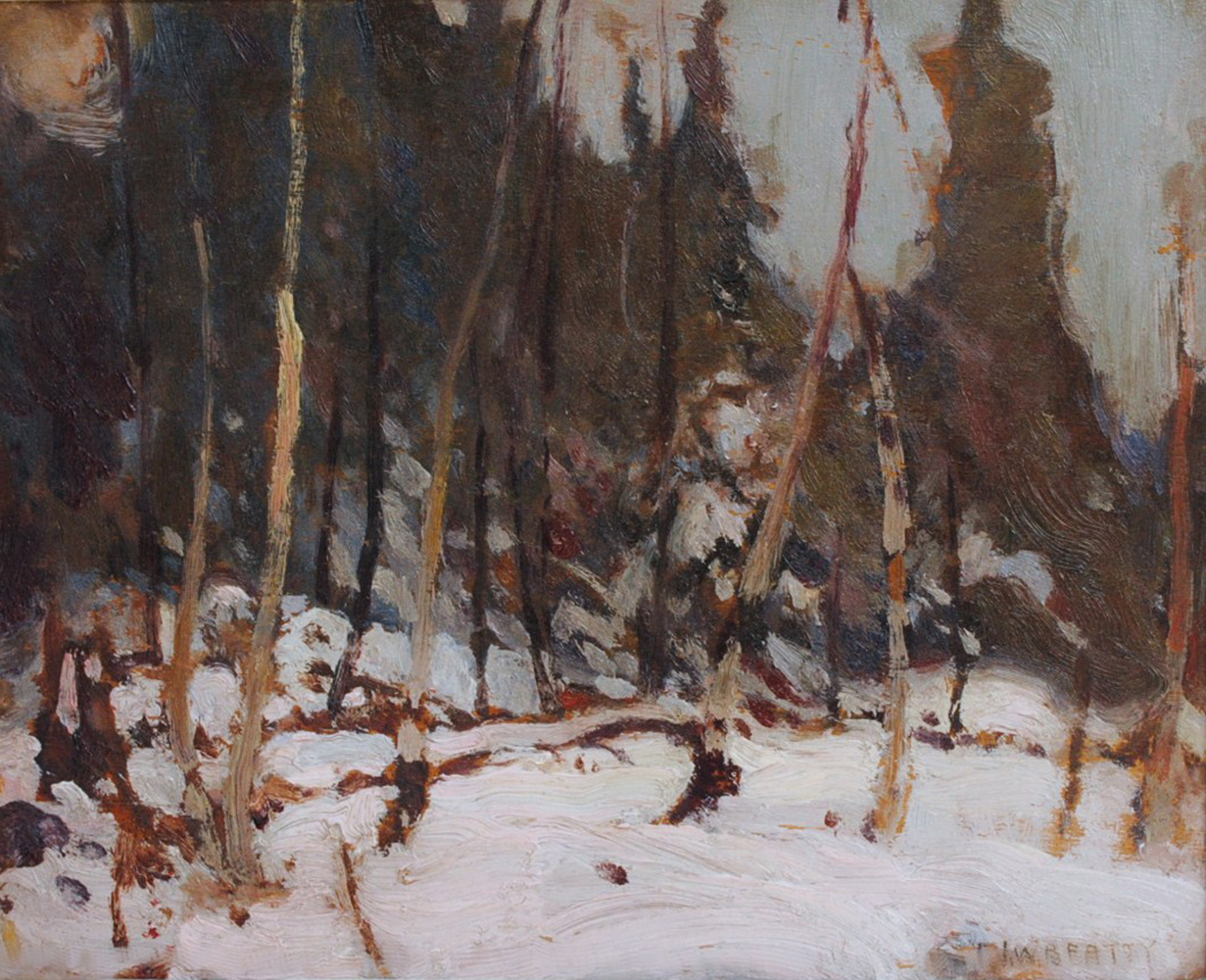
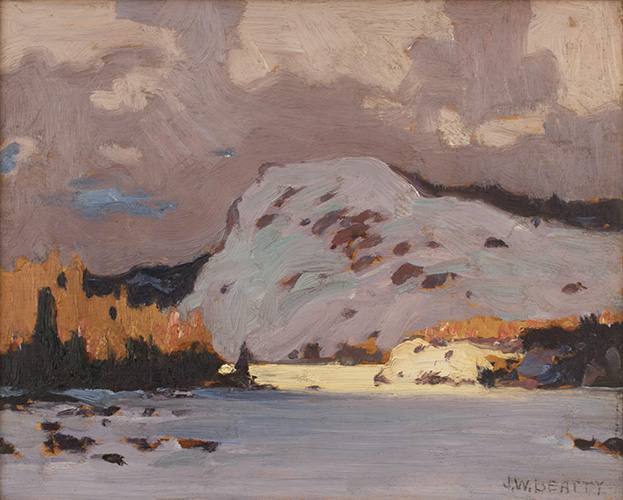
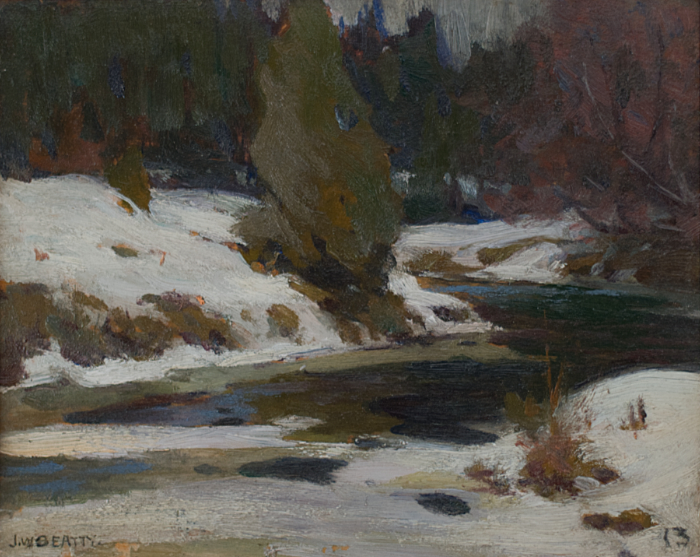
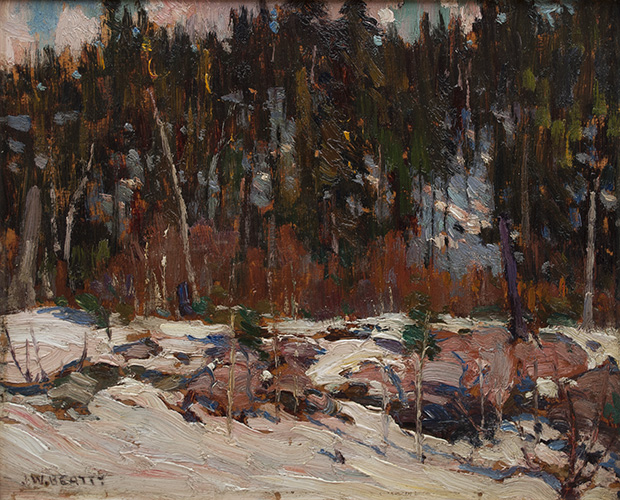
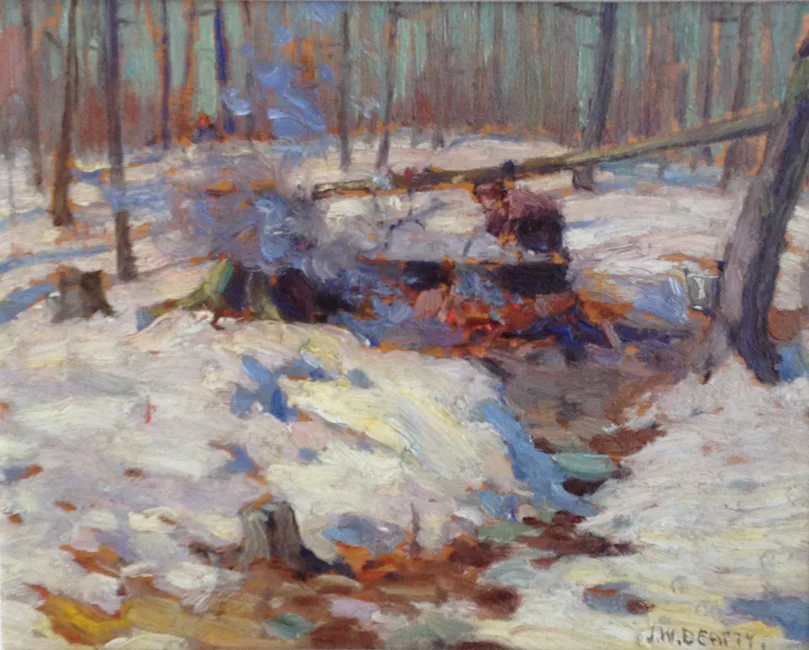
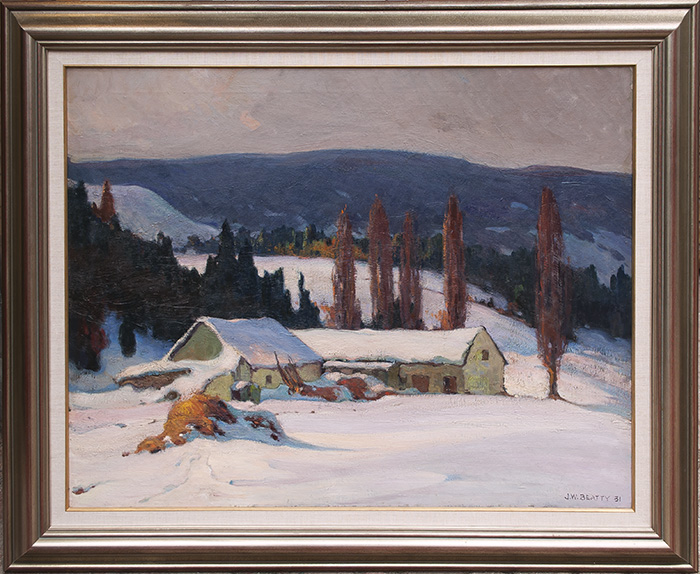
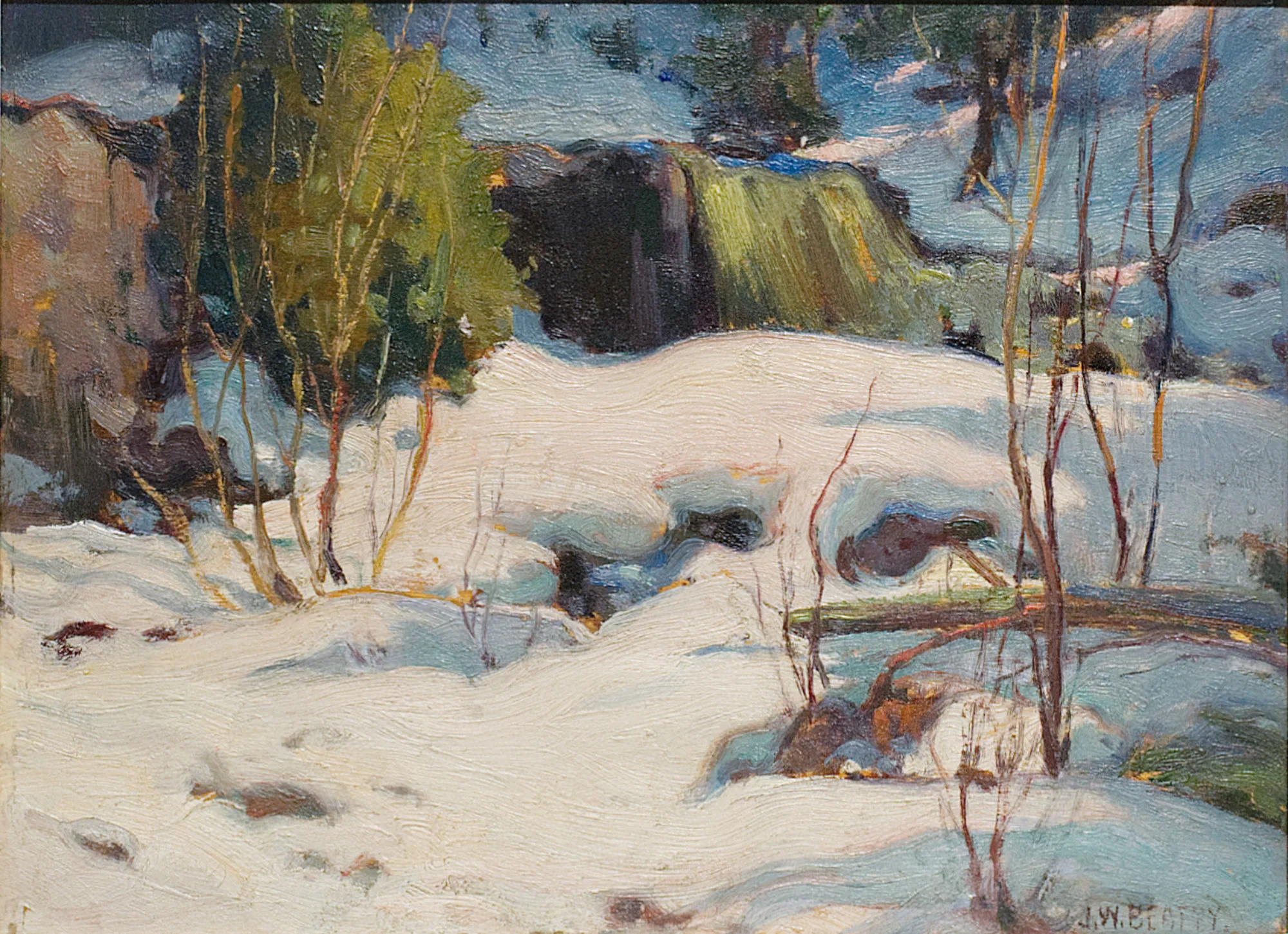
Beatty was among the first artists to paint Algonquin Park and other northern subjects directly from life, working outdoors in all seasons. His winter scenes — spare, structured, and attentive to the geometry of snow and tree — anticipated the broader movement toward a bold, national landscape aesthetic that would soon define Canadian art. As a contemporary and early influence on artists later associated with the Group of Seven, Beatty played a formative role in establishing landscape as the central vehicle for Canadian artistic identity.
Beyond his studio practice, Beatty’s importance lies in his institutional impact. He served as an educator and curator, shaping public collections and influencing generations of artists through his advocacy for Canadian subject matter. His paintings, represented in major public collections, stand as early articulations of the visual language that came to define Canada’s artistic legacy.